
- 1 - #what-is-dynamic-pricing
- 2 - #how-restaurants-use-dynamic-pricing
- 3 - #benefits-of-dynamic-pricing-for-restaurants
- 4 - #real-world-examples-of-dynamic-pricing
- 5 - #challenges-and-considerations-in-dynamic-pricing
1 - What is Dynamic Pricing?
Dynamic pricing, also known as surge pricing or demand-based pricing, is a strategy where the price of goods or services fluctuates based on current market demand and supply. In the context of restaurants, dynamic pricing involves adjusting menu prices based on factors like time of day, customer volume, local events, and even weather conditions.
This pricing model is not new and has been widely used in industries such as transportation (think Uber surge pricing) and hospitality. However, restaurants in Australia are increasingly adopting dynamic pricing strategies to ensure that their prices reflect the changing demand throughout the day and week.
2 - How Restaurants Use Dynamic Pricing
Australian restaurants are leveraging dynamic pricing to optimize their menu pricing and improve profitability. By adjusting prices based on demand, restaurants can ensure they maximize revenue during peak times, such as dinner hours or weekends, and attract more customers during slower periods.
Some restaurants have implemented pricing models where dishes are priced higher during busy times and discounted during off-peak hours. For example, a popular restaurant in Sydney may charge a premium for dishes during a busy Friday night, while offering discounts or special promotions during quieter weekday lunch hours. This allows restaurants to balance demand and optimize their pricing strategy effectively.
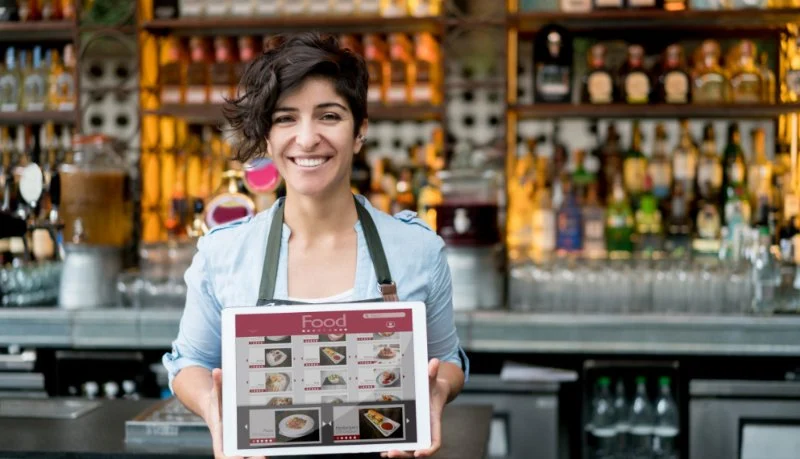
Advanced software tools and data analytics have made it easier for restaurants to track real-time demand and adjust prices automatically. This helps restaurants avoid overcharging customers during slow times and underpricing during busy times, resulting in more consistent revenue streams.
Gowings
SydneyCouncil of the City of SydneyNew South Wales
Suite 1/49 Market St, Sydney NSW 2000, Australia
3 - Benefits of Dynamic Pricing for Restaurants
There are several benefits for restaurants that adopt dynamic pricing strategies:
- Improved Profitability: By adjusting prices in real-time, restaurants can maximize revenue during peak demand periods and still attract customers during off-peak times.
- Better Demand Management: Dynamic pricing helps restaurants manage customer volume by encouraging more guests during slower times and optimizing capacity during peak hours.
- Increased Customer Satisfaction: Customers can benefit from lower prices during non-peak times, creating a better overall dining experience.
- Enhanced Data Insights: The use of data analytics allows restaurants to gather insights on customer behavior, which can inform menu adjustments and future promotions.
4 - Real-World Examples of Dynamic Pricing in Restaurants
In Australia, a few forward-thinking restaurants are already leading the charge with dynamic pricing strategies:
One example is a Melbourne-based restaurant that adjusts its prices based on weather forecasts. When the weather is rainy or cold, the restaurant offers discounts on select dishes to encourage customers to dine in. On sunny, warmer days, the prices are adjusted to reflect higher demand. This approach ensures that the restaurant can maintain a steady flow of customers regardless of external conditions.
Another example is an upscale restaurant in Sydney that implements a tiered pricing model. During special events or holiday weekends, they raise prices for prime seating times. In contrast, they offer early bird discounts for customers who book earlier in the day, helping the restaurant fill seats during traditionally slower times.
5 - Challenges and Considerations in Dynamic Pricing
While dynamic pricing can offer significant benefits, it does come with some challenges and considerations that restaurant owners must be aware of:
- Customer Perception: Customers may perceive dynamic pricing as unfair if prices fluctuate too drastically or without clear justification. Transparency is key to managing customer expectations.
- Operational Complexity: Implementing dynamic pricing requires robust software systems and staff training to ensure that prices are adjusted correctly and that customers are aware of the changes.
- Market Competition: Restaurants must consider how their competitors are pricing similar menu items. If their prices are consistently higher, they could lose customers to more price-competitive options.
- Legal and Regulatory Considerations: In some regions, dynamic pricing may be subject to legal scrutiny, particularly if it results in discriminatory pricing practices. It’s important to stay informed about any relevant regulations.
To ensure that dynamic pricing is successful, restaurants must continuously evaluate their pricing strategies and customer feedback. With the right approach, it can be a powerful tool for balancing supply and demand while maximizing profits.
For more insights into the latest restaurant trends and to discover the best dining spots in Australia, visit Sydney Eats Explorer for expert recommendations and dining tips.




 Bar 83 at Sydney Tower4.0 (1886 reviews)
 Cafe La U1.0 (1 reviews)
 OZEKI BOWL Westfield4.0 (57 reviews)
 Zeta Bar3.0 (486 reviews)
 Harry's Café de Wheels - Darling Quarter3.0 (119 reviews)
 Sailor Boy4.0 (63 reviews)
 How Restaurants Are Using Dynamic Pricing to Match Demand and Supply in Australia
 The Best Vegan-Friendly Fine Dining Restaurants in Australia
 How Australia’s Restaurant Industry Is Embracing Cultural Diversity in Its Dining Options
 The Best Dining Spots in Australia for Food Lovers Who Also Care About Design and Ambience
 How Restaurants Are Using Smart Robots and Automation in Kitchens Across Australia
 The Best Dining Spots in Australia for Late Night Vegan Comfort Food