
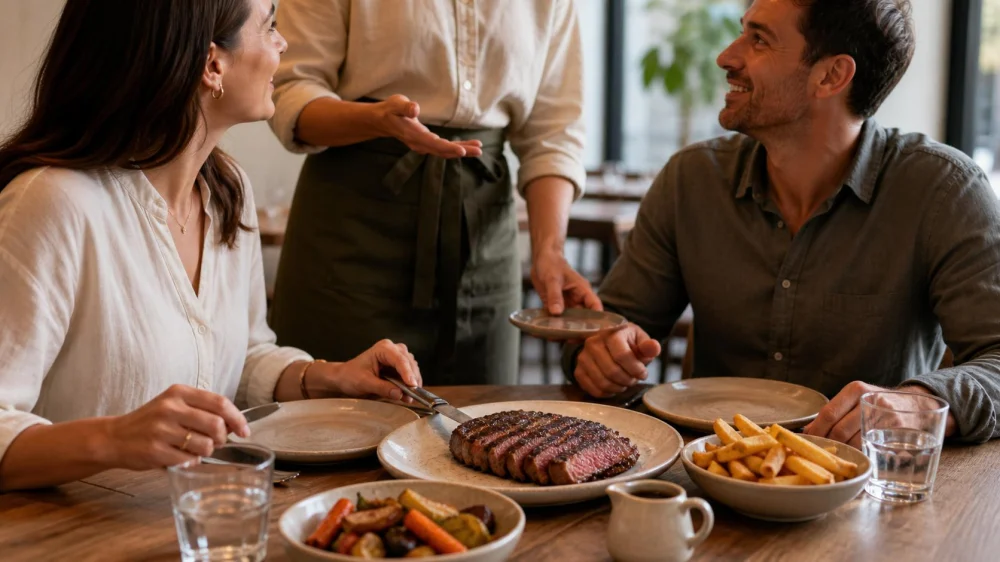
Australian Steak Order: Cut, Weight, Doneness, and Sides
On this page
Quick answer
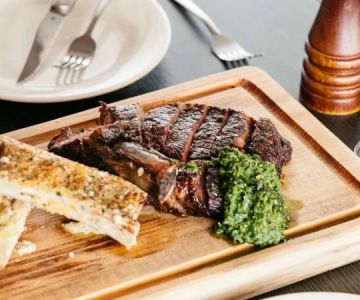
Start with the cut and listed weight, asking whether the weight is before cooking and whether bone is included. Use the restaurant's doneness descriptions instead of assuming every kitchen applies the same terms, and confirm char, resting, slicing, sauce, sides, and extra charges. Tell staff about allergies before ordering because grills, butter, sauces, fryers, and garnishes may involve shared preparation or fixed ingredients.
Nanashi & Amahouse
UltimoCouncil of the City of SydneyNew South Wales
439 Harris St, Ultimo NSW 2007, Australia
Why the menu weight does not equal the edible cooked portion
Steak loses moisture during cooking, and bone, trimming, fat, and resting affect the amount served and eaten. Cut thickness and shape influence how heat moves through the meat, while grill temperature and house standards influence crust and internal gradient. Two steaks with the same listed grams may therefore look and eat differently.
This guide is for diners ordering steak at an Australian restaurant, pub, or grill. It supports menu questions and portion planning, not a food-safety guarantee, nutrition calculation, authenticity rating, or medical advice. Cuts, sourcing claims, cooking standards, sides, sauces, prices, and service remedies vary.
Vic On George
SydneyCouncil of the City of SydneyNew South Wales
Level 3, Myer, 450 George St, Sydney NSW 2000, Australia
Practical checklist
- Cut name and local description, muscle, grain, tenderness, fat, marbling, bone, thickness, ageing claim, source, breed claim, and current availability.
- Listed grams, raw or cooked basis, bone included, trimming, single or shared portion, minimum weight, variable-weight pricing, and market-price method.
- Rare through well-done descriptions, internal colour and temperature expectations, crust, char, grill or pan, resting, sliced service, and kitchen limits.
- Included chips, mash, salad, vegetables, bread, garnish, sauce, butter, extra sides, substitutions, portion sizes, and separate charges.
- Milk, egg, wheat or gluten, soy, fish, shellfish, nuts, sesame, garlic, alcohol, shared grill, fryer, utensils, butter basting, sauce, and garnish.
- Table sharing, steak knife, hot plate, bones, fat trimming, children's portions, pacing with starters, and when sides or sauces will arrive.
- Base price, weight surcharge, public-holiday or card surcharge, service charge, sauce and side fees, bill description, leftovers, and takeaway policy.
Step-by-step plan
- Ask the server to explain unfamiliar cuts and whether the listed weight is pre-cook, includes bone, varies by piece, or is priced by weight.
- Choose doneness using the kitchen's description and explain any strong preference about internal colour, char, slicing, or resting without demanding unsafe handling.
- Disclose allergies and dietary restrictions before ordering, then confirm fixed marinades, butter, grill contact, sauces, fryer use, and garnish limits.
- Select included and extra sides, sauce placement, substitutions, and portion plan, checking all charges and whether the steak is for one diner or sharing.
- Coordinate timing with starters and other mains, and ask staff to warn the table about a very hot plate before it is set down.
- Cut into the thickest central area soon after service to check the agreed doneness, keeping hands clear of hot plates and addressing concerns promptly.
- If the order differs materially, explain the confirmed request calmly and let staff propose a remedy; do not keep eating most of the steak before reporting it.
For a special or group order, note the cut, listed weight and basis, bone, doneness description, cooking method, allergy discussion, sauce and sides, prices and surcharges, table sharing, service time, and any correction. Save the itemised receipt if weight or add-on charges matter.
Limits and important notes
A menu photo, colour chart, or verbal term cannot guarantee an identical interior in every cut. Weight before cooking will decrease, and bone-in weight is not all edible meat. Removing sauce or garnish at the table does not remove marinade or cross-contact. Do not touch a hot plate or use colour alone as a food-safety test.
Tell the server immediately about a dangerous hot-plate placement, allergy mismatch, foreign object, or steak materially different from the confirmed order. For possible allergic symptoms, stop eating, follow the person's emergency plan, and seek emergency help for breathing difficulty, throat swelling, faintness, or another severe reaction.
Frequently asked questions
Is the listed steak weight before cooking?
Often, but not universally. Ask whether the grams are raw, cooked, approximate, variable by piece, and inclusive of bone.
Does medium-rare mean the same everywhere?
Kitchen standards can differ. Ask how the restaurant describes internal colour and temperature, especially for a thick or bone-in cut.
Are chips always included?
No. Confirm the included side, substitutions, extra portions, fryer cross-contact, and price.
Can a steak be shared?
Usually if the venue allows it, but check size, slicing, extra plates, sides, fees, and dietary separation before ordering.
What if the steak is not the requested doneness?
Show the central cut promptly, restate the confirmed request, and let the restaurant explain its remedy options.
Sources and evidence
Use the restaurant's current menu and staff for the exact cut, source claims, weight basis, doneness standard, ingredients, shared equipment, sides, price, surcharge, and service remedy. For allergy decisions, rely on verified kitchen information and the diner's individual emergency plan.
Conclusion and next steps
Confirm the cut, grams and weight basis, bone, house doneness description, cooking method, allergies, grill contact, sauce, sides, timing, and total price before ordering. Check the thickest central area promptly, keep clear of hot plates, and raise any material mismatch while staff can respond.


 Little Chinese Kitchen2.0 (83 reviews)
 Madison Ave Coffee5.0 (1 reviews)
 The Coffee Emporium Sydney Westfield4.0 (62 reviews)
 Planar Restaurant4.0 (3872 reviews)
 Shiba's Kitchen4.0 (525 reviews)
 Little Sparrow QVB3.0 (46 reviews)
 Best Restaurants Near Me in Melbourne for Late Night Dining Options - Expert Picks
 Best Cafes in Sydney for Matcha Desserts and Japanese Sweets Guide
 Best Restaurants in Australia for Unique Fusion Cuisine Experiences
 How Australia’s Restaurant Industry Is Responding to Food-Allergy Awareness Trends
 How to Order a Seafood Platter for a Group in Australia
 How Local Sourcing Is Changing the Game for Restaurants in Melbourne