
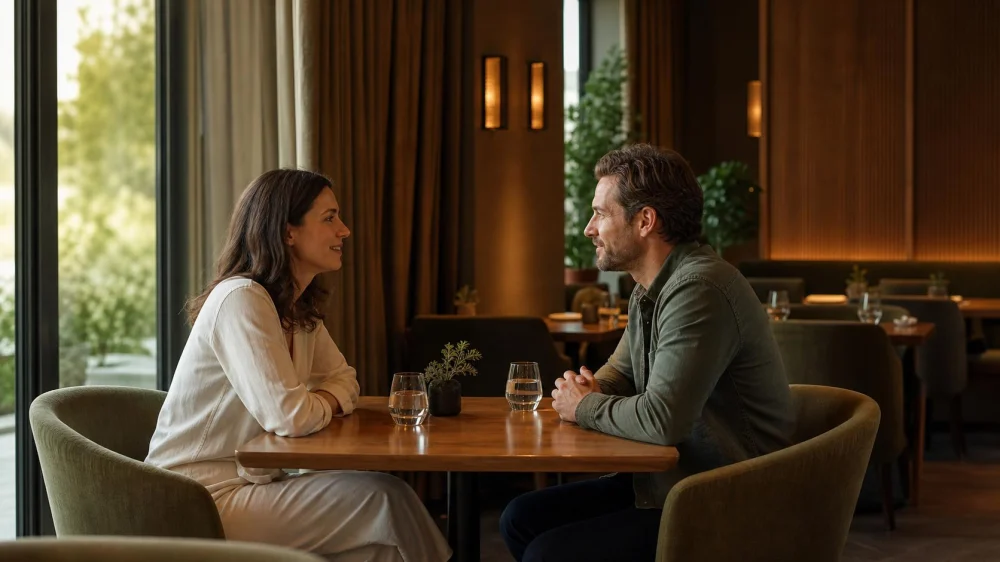
How to Choose a Restaurant for a Quiet Conversation
On this page
Quick answer
For a quiet conversation, choose a restaurant with separate dining zones, soft furnishings, spaced tables, and no live music during your booking. Reserve outside the busiest service period and ask for a table away from speakers, bars, kitchens, group tables, and entrances. Because noise changes by time and crowd size, confirm the expected conditions for your exact date rather than relying on photos alone.
A conversation-friendly restaurant is a venue where the room, seating position, service period, and background sound allow diners to speak and listen without consistently raising their voices.
This guide is for diners in Australia planning a business discussion, catch-up, date, family conversation, or meal with someone who finds noisy environments difficult. Individual hearing and sensory needs vary, so define the required conditions before comparing venues.
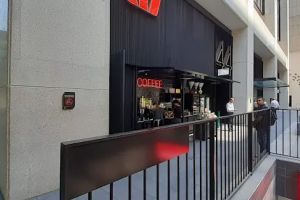
Coffee Shop
SydneyCouncil of the City of SydneyNew South Wales
44 Market St, Sydney NSW 2000, Australia
What “quiet” should mean
“Quiet” is relative. A lively dining room may feel comfortable to one person and exhausting to another. Turn the request into practical criteria that restaurant staff can understand:
- Can everyone at the table hear ordinary speech?
- Is background music low, absent, or located away from the table?
- Will a bar, open kitchen, function, or large group operate nearby?
- Are tables close enough that neighbouring conversations dominate?
- Does the diner need a low-stimulation space, hearing accessibility, or simply enough privacy for a sensitive discussion?
For a confidential conversation, low volume is not the same as privacy. Closely spaced tables in a quiet room may make speech easier to overhear. Ask about table spacing or a separate area without assuming a private room is available.

Koko Black - QVB
SydneyCouncil of the City of SydneyNew South Wales
Queen Victoria Building, Shop 3/445 George St, Sydney NSW 2000, Australia
How to research before booking
Start with the restaurant’s own photos and booking information. Look for several views of the actual dining room rather than close-ups of food. Images can reveal hard floors, bare walls, an open kitchen, a bar, high ceilings, communal tables, speakers, or multiple dining zones, but they cannot confirm the sound level for a future service.
Recent diner reviews may identify repeated patterns, such as loud music or difficult conversation, but treat them as observations from particular dates and seats. A single review is not a reliable measurement. Give more weight to consistent descriptions that match the service period you are considering.
Contact the restaurant directly after narrowing the list. Staff can tell you about the planned booking load, special events, live entertainment, and seating areas. Ask precise questions rather than requesting “the quietest table” without explaining what you need.
Common restaurant noise sources
Hard surfaces and open rooms
Concrete, glass, tile, metal, and bare ceilings can reflect voices and table sounds. Curtains, upholstered seating, acoustic panels, rugs, and divided rooms can absorb or interrupt sound. The presence of soft materials is a useful clue, not a guarantee.
Bars and open kitchens
Drink preparation, coffee equipment, dish handling, extraction systems, and kitchen communication create intermittent sound. A table that looks attractive beside an open kitchen may not suit a serious conversation.
Music and entertainment
Recorded music can rise as the room fills, while live music, DJs, trivia, sports broadcasts, and special events change the character of a venue. Ask what is scheduled during the complete booking window, not only at arrival time.
Large groups and communal tables
Celebrations and functions can increase sound quickly. If your booking is near a group area, a normally manageable room may become difficult. Communal tables also provide less control over neighbouring voices and personal space.
Entrances and outdoor traffic
Doors, waiting areas, takeaway queues, street traffic, and service routes create movement and bursts of sound. An outdoor table may avoid room echo but introduce vehicles, weather, pedestrians, and neighbouring venues.
Questions to ask when booking
- Which service period is usually calmest? Ask about the exact day of the week.
- Is music or entertainment scheduled? Confirm start and finish times.
- Are there separate dining areas? Ask which is furthest from the bar, kitchen, speakers, and group tables.
- Are any functions or large bookings expected? Staff may not share private details but can describe likely room conditions.
- Can a seating request be added? Clarify that it is a request unless the restaurant explicitly guarantees it.
- Is there a quieter alternative if the assigned table is unsuitable? Availability may depend on the service.
- How long is the table allocation? A rushed seating can undermine a conversation even when the room is quiet.
If low noise is an accessibility need, say so clearly. Explain the functional need—such as hearing speech or limiting sensory load—rather than expecting staff to infer it from a generic table preference.
What to check on arrival
Pause near reception and listen before sitting. Notice music, room echo, table spacing, nearby groups, and traffic through the proposed area. Ask to see the assigned table if it is not visible.
If the location conflicts with the booking note, politely ask whether another suitable table is available before drinks or food are ordered. A different section may help, but moving may not be possible when the restaurant is full.
Once seated, keep the conversation practical at first. If everyone is already leaning forward or repeating ordinary sentences, the room is unlikely to become easier as more diners arrive. Decide early whether to stay, move, shorten the meal, or choose another venue.
Quiet dining decision checklist
- Define the required level of conversation, privacy, and sensory comfort.
- Check actual dining-room photos and current service information.
- Compare recent observations for the same day or service period.
- Ask about music, events, groups, bars, kitchens, and seating zones.
- Book outside the expected peak when practical.
- Add a specific seating request and record the restaurant’s response.
- Reconfirm important needs shortly before the booking.
- Assess the assigned table before ordering.
- Have a backup option if conditions cannot be controlled.
A quiet lunch on a weekday may be best for an unhurried discussion. A lively venue can still work when it has a separate room or calm early sitting. Avoid choosing on décor alone; the interaction of time, crowd, music, room surfaces, and seat position matters more.
Limitations and evidence notes
The criteria in this guide reflect general acoustic principles and common dining-room conditions: hard surfaces reflect sound, soft materials can absorb some sound, and more people and sound sources generally change the listening environment. They are decision clues, not measurements or promises about a particular Australian restaurant.
Restaurant operations can change without notice. Verify current music, events, opening hours, table allocation, and accessibility arrangements directly with the venue. People with hearing or sensory requirements should use their own support plan and request relevant accommodations; this article does not replace professional hearing or healthcare advice.
Frequently asked questions
What time is usually quietest for a restaurant meal?
There is no universal quiet time. An early sitting or non-peak weekday may be calmer, but local demand, functions, and entertainment matter. Ask the specific restaurant about the day and time you plan to visit.
Does carpet mean a restaurant will be quiet?
Carpet can reduce some reflected sound, but music, table spacing, ceiling height, kitchens, bars, and crowd size still affect the room. Consider the complete space.
Is outdoor dining better for conversation?
Sometimes. Outdoor seating can avoid room echo, yet traffic, wind, nearby venues, pedestrians, and weather may create other problems. Check the table’s actual surroundings.
Can I request that music be turned down?
You can ask, but the restaurant may use one setting for the whole venue or follow an event format. It is better to ask about music before booking and choose a suitable service or dining zone.
How can I make a seating request more useful?
Name the sources you need to avoid: speakers, bar, open kitchen, entrance, large groups, or communal tables. Explain if the request supports hearing or sensory access. Understand whether the venue can guarantee it.
What if the restaurant is much louder than expected?
Ask about another table before ordering. If none is suitable, consider shortening the visit or using a backup venue. Staff cannot always change the room conditions during a busy service.
Next steps
Select two or three restaurants that appear to have divided dining areas and suitable service times. Call each one with the same questions, compare how specifically staff describe the room, and book the strongest match with a clear seating note. Reconfirm before travelling and assess the table on arrival. A good choice is the venue that fits the conversation you need on that particular day—not the one that merely looks calm in a photograph.
 Salt&Pepper3.0 (9 reviews)
 No.1 malatang Central plaza2.0 (42 reviews)
 Ko-V Korean Street Food3.0 (89 reviews)
 Dutch Smuggler coffee Qvb4.0 (58 reviews)
 Shiba's Kitchen4.0 (525 reviews)
 La Belle Miette4.0 (139 reviews)
 Where to Eat Authentic Turkish Food in Sydney for Rich and Savory Dishes
 The Best Fine Dining Restaurants in Australia for Special Occasions
 Best Restaurants in Sydney for Office Lunch Catering and Takeaway | Sydney Eats Explorer
 Where to Find the Best Seafood Platters in Sydney for Sharing
 Top Restaurants in Sydney for Live Music and Dining Experiences
 The Best Dining Spots in Australia for Instagram-Loving Foodies Who Want That Shot