

How to Choose a Restaurant for Food Allergy Needs
On this page
Quick answer
Choose a restaurant for food allergy needs by contacting it before booking, naming the exact allergen and reaction risk, and asking whether staff can verify ingredients and reduce cross-contact. Prefer a venue that gives specific, consistent answers and is willing to say when it cannot accommodate you. Reconfirm with the server before ordering; never treat an “allergy-friendly” label as a guarantee.
Food-allergen cross-contact occurs when an allergen is unintentionally transferred to another food through hands, utensils, cookware, surfaces, oil, storage, or serving practices. An ingredient can be absent from a recipe yet still be present through cross-contact.
This guide is for diners and group organisers comparing restaurants in Australia. It supports planning and communication, but it is not medical advice and cannot assess an individual’s reaction risk. Follow the allergy management plan provided by your qualified healthcare professional.
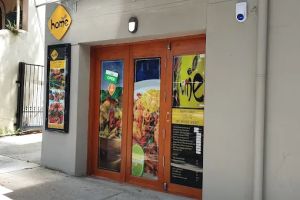
Home Thai
UltimoCouncil of the City of SydneyNew South Wales
461 Harris St, Ultimo NSW 2007, Australia
What to check before booking
Contact the restaurant during a quieter time rather than relying only on a short menu note or third-party listing. Ask to speak with someone who understands the current menu and kitchen process. Menus, suppliers, recipes, and staffing can change, so recent direct confirmation matters.
- Does the restaurant have current ingredient or allergen information for the dishes you are considering?
- Who will confirm the final order with the kitchen?
- Can the kitchen make a simple dish without the allergen, or are ingredients pre-mixed?
- Are shared fryers, grills, pans, utensils, preparation benches, or storage containers used?
- Can the booking record include the allergy and an instruction to reconfirm on arrival?
- Is the proposed service likely to be especially busy, fixed-menu, buffet-style, or otherwise difficult to modify?
Ask about a specific meal rather than requesting a promise that the entire venue is safe. A restaurant may handle one dish confidently but be unable to control cross-contact for another.
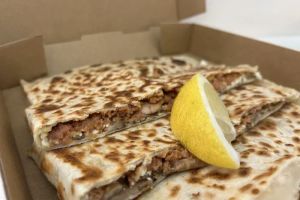
Gözleme King Sydney
SydneyCouncil of the City of SydneyNew South Wales
1 Westfield Sydney, Central Plaza, 450 George St, Sydney NSW 2000, Australia
How to explain an allergy clearly
Use direct language: “I have an allergy to [allergen]. This is not a preference. Can the kitchen verify ingredients and explain the cross-contact risk for this dish?” Name the allergen rather than using a broad diet label that may be interpreted differently.
If several people are involved in the booking, identify the affected diner and chosen dish. Do not ask a friend to soften or shorten the message. For a child, confirm that the adult responsible for ordering will speak with staff and supervise shared plates.
Distinguish an allergy from a preference, dislike, religious restriction, or other dietary need. All deserve clear communication, but staff need accurate information to judge the consequence of an error and the controls required.
Questions about cross-contact
Shared fryers and cooking oil
Ask whether foods containing the allergen use the same fryer or oil. A separate ingredient list does not resolve exposure from shared cooking oil. If staff cannot confirm the process, choose a non-fried option only if its preparation can be explained clearly.
Grills, pans, utensils, and benches
Ask whether the dish can be prepared with clean equipment and on a cleaned surface. “We can leave it off” may remove a visible garnish without addressing residue from the preparation area.
Sauces, marinades, stocks, and garnishes
Composite ingredients can be easy to overlook. Ask staff to check the full recipe for sauces, dressings, seasoning blends, desserts, and garnishes. A simple dish with fewer components is often easier to verify than a highly modified one.
Buffets, bakeries, and shared displays
Open displays, shared tongs, self-service stations, and closely arranged products can create cross-contact that is difficult to control. These settings are not ideal when the diner’s plan requires strong separation. Ask whether a separately handled item is available; accept a clear “no” when it is not.
What to confirm on arrival
- Tell the host that the booking includes a documented food allergy.
- Repeat the exact allergen to the server before ordering drinks or shared starters.
- Confirm the selected dish and any agreed preparation changes.
- Ask how the allergy will be communicated to the kitchen.
- Check that shared sauces, sides, garnishes, and tasting portions are included in the review.
- When the meal arrives, ask the server to identify the allergy order rather than guessing from appearance.
If the explanation on arrival conflicts with what you were told before booking, pause the order. Ask for clarification from the responsible staff member. Do not let time pressure or concern about politeness replace a clear decision.
When to choose or avoid a venue
A restaurant is a better choice when staff listen carefully, repeat the allergen accurately, check rather than guess, explain the limits of the kitchen, and offer a specific dish that requires few substitutions. Honest uncertainty is more useful than an unsupported guarantee.
Consider another venue when answers change between staff members, ingredient information is unavailable, the kitchen cannot discuss shared equipment, or the only solution is to remove a visible ingredient from a pre-prepared dish. A very busy service, buffet, set banquet, or complex tasting menu may also be a poor fit when the required controls cannot be maintained.
Do not interpret “vegan,” “dairy-free,” “gluten-free,” “nut-free,” or similar menu language as covering every allergy scenario. These labels describe different needs and may not state how the food is prepared.
Restaurant allergy checklist
- Name the exact allergen and explain that it is an allergy.
- Contact the restaurant directly before travelling.
- Ask about full ingredients and shared preparation equipment.
- Choose a simple dish that staff can verify.
- Add the allergy to the booking and reconfirm on arrival.
- Avoid sharing plates unless every component has been checked.
- Follow the diner’s personal allergy management plan.
- Know how to seek emergency help if symptoms occur.
- Leave or do not order when the risk cannot be explained acceptably.
Evidence and limitations
The approach in this guide reflects broad food-allergy safety principles: identify the allergen precisely, verify ingredients, consider cross-contact, communicate at each handoff, and maintain an individual emergency plan. It does not certify any Australian restaurant, menu item, kitchen, or “free from” claim.
For current evidence about a particular meal, use information from the restaurant’s responsible staff and its up-to-date ingredient records. Packaging or supplier information may also need checking. Medical questions, reaction thresholds, medication, and whether a dining environment is suitable for a specific person should be discussed with a qualified healthcare professional.
If symptoms begin, stop eating and follow the person’s emergency plan. Seek urgent medical assistance when indicated; do not wait for restaurant staff to determine whether a reaction is serious.
Frequently asked questions
Is calling the restaurant enough?
No. Calling helps you decide whether to book, but the allergy should be reconfirmed on arrival and when ordering. The staff, menu, ingredients, or kitchen conditions may have changed.
Should I use the phrase “a little bit is okay”?
Only communicate limits that come from the diner’s qualified healthcare guidance. Casual phrases can cause staff to interpret an allergy as a preference. State the actual need plainly and ask whether the restaurant can meet it.
Are online allergen menus reliable?
They are useful starting points, not substitutes for current confirmation. Check the update date when available and ask whether the restaurant’s present recipe and suppliers match the online information.
Is a simple grilled dish always safer?
No dish is automatically safe. A simple dish may be easier to verify, but shared grills, marinades, seasoning, utensils, and garnishes still need to be considered.
What if the server seems unsure?
Ask them to check with the kitchen or responsible manager rather than guessing. If no one can provide a clear answer, do not order the uncertain dish and consider another venue.
Can a restaurant guarantee zero risk?
A broad guarantee should not replace a description of ingredients and controls. Ask what the kitchen can and cannot do, then apply the diner’s medical plan and risk boundaries.
Next steps
Shortlist restaurants whose menus include simple, clearly described options. Contact each venue with the same questions, compare the specificity of the answers, and select the one that communicates both its controls and its limits. Add the allergy to the booking, reconfirm at the table, and be prepared to choose another meal or leave if the information is no longer clear.

 Salt&Pepper3.0 (9 reviews)
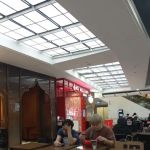 No.1 malatang Central plaza2.0 (42 reviews)
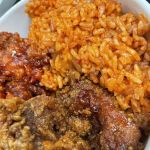 Ko-V Korean Street Food3.0 (89 reviews)
 Dutch Smuggler coffee Qvb4.0 (58 reviews)
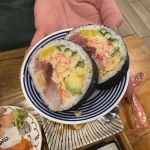 Shiba's Kitchen4.0 (525 reviews)
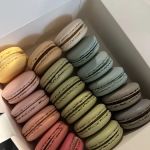 La Belle Miette4.0 (139 reviews)
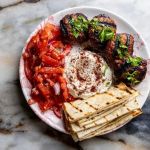 Where to Eat Authentic Turkish Food in Sydney for Rich and Savory Dishes
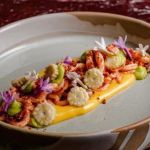 The Best Fine Dining Restaurants in Australia for Special Occasions
 Best Restaurants in Sydney for Office Lunch Catering and Takeaway | Sydney Eats Explorer
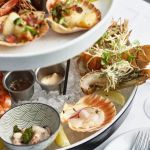 Where to Find the Best Seafood Platters in Sydney for Sharing
 Top Restaurants in Sydney for Live Music and Dining Experiences
 The Best Dining Spots in Australia for Instagram-Loving Foodies Who Want That Shot