
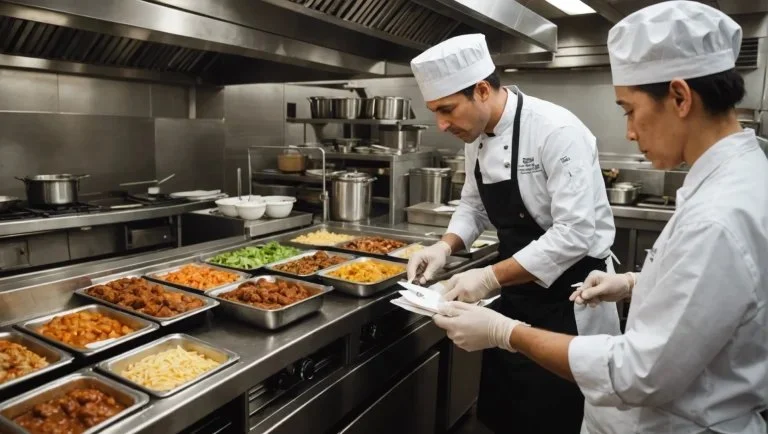
1. The Importance of Restaurant Hygiene and Safety
In the fast-paced world of hospitality, restaurant hygiene and safety are critical to ensuring the well-being of both customers and staff. As we move into 2025, the importance of food safety continues to evolve, with new technologies and stricter regulations aimed at preventing contamination and ensuring safe dining experiences. From the kitchen to the dining area, maintaining proper hygiene practices is crucial for food quality, customer satisfaction, and public health.
This article will explore the most important aspects of restaurant hygiene and safety in 2025, including the latest food safety standards, common hygiene issues, and practical tips for restaurant owners and staff to implement effective hygiene protocols.
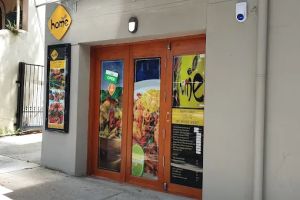
Home Thai
UltimoCouncil of the City of SydneyNew South Wales
461 Harris St, Ultimo NSW 2007, Australia
2. Updated Restaurant Safety Standards for 2025
As restaurant hygiene and safety continue to be a top priority for health authorities, new guidelines have been implemented to further safeguard customers. In 2025, restaurant owners must stay updated on local health codes and national safety regulations to ensure compliance and avoid potential penalties.

Arches on Market
SydneyCouncil of the City of SydneyNew South Wales
Level 8/68 Market St, Sydney NSW 2000, Australia
2.1 Mandatory Safety Certifications
In Australia, restaurants are required to have staff members trained in food safety and hygiene practices. Certification programs, such as the Food Safety Supervisor (FSS) qualification, ensure that the staff is knowledgeable about handling food safely, preventing cross-contamination, and maintaining clean environments. Regular certification renewals are necessary to comply with local health regulations.
2.2 Contactless Safety Standards
Following the COVID-19 pandemic, many restaurants have adopted contactless technology to limit physical contact between customers and staff. In 2025, contactless payment systems, self-service ordering, and digital menus are becoming more common. These advancements help reduce the risk of spreading bacteria and viruses, making the dining experience safer for everyone.
2.3 Enhanced Cleaning Protocols
2025 has seen a significant shift towards enhanced cleaning protocols, especially in high-touch areas like menus, door handles, and payment systems. Restaurants are also incorporating advanced cleaning technology, such as UV sterilizers and automated cleaning robots, to ensure a higher standard of sanitation. Daily deep cleaning routines and sanitation checks are essential to maintaining hygiene standards.
3. Common Hygiene Issues in Restaurants
Even with the best intentions, hygiene issues can arise in restaurants. It’s crucial for restaurant owners and managers to identify these common problems early to prevent health violations and protect the reputation of the establishment.
3.1 Cross-Contamination
One of the most significant issues in food safety is cross-contamination. This occurs when bacteria from raw food (such as meat) spreads to ready-to-eat items (like salads or desserts). In 2025, the focus is on preventing cross-contamination through proper food storage, separate cutting boards, and using color-coded utensils. It's important to have dedicated equipment for raw and cooked food and to store food at the correct temperatures to minimize risk.
3.2 Staff Training and Awareness
Staff training plays a crucial role in maintaining restaurant hygiene. Many issues, such as improper hand washing or neglecting to wear gloves while handling food, arise due to a lack of awareness or poor training. In 2025, ensuring that every staff member is well-trained in food safety procedures is a top priority. Regular refresher courses and clear communication of hygiene protocols are necessary to keep everyone on the same page.
3.3 Food Storage Errors
Incorrect food storage can lead to contamination and foodborne illnesses. For instance, keeping food at unsafe temperatures can cause bacteria to grow, leading to potential food poisoning. In 2025, many restaurants are investing in smart fridges and storage systems that automatically monitor temperatures and alert staff if food storage conditions fall below safe standards.
4. Best Practices for Restaurant Hygiene in 2025
To ensure that your restaurant meets hygiene and safety standards in 2025, here are some best practices that every restaurant should adopt:
4.1 Regular Inspections and Audits
Regular health inspections and audits are essential for identifying potential hygiene issues before they become major problems. Many restaurants are implementing self-inspection protocols to ensure they meet cleanliness standards consistently. By conducting routine audits and addressing concerns quickly, restaurants can maintain a high level of hygiene and avoid violations.
4.2 Up-to-Date Food Safety Handbook
In 2025, having an up-to-date food safety handbook is critical for ensuring that all staff members are aware of hygiene protocols. The handbook should be regularly reviewed and updated to reflect the latest regulations and best practices. Having a physical or digital copy readily accessible ensures that all employees know what to do in case of an emergency.
4.3 Using Quality Cleaning Supplies
Investing in high-quality cleaning supplies is essential for maintaining a hygienic restaurant environment. This includes disinfectants, sanitizers, and wipes that meet government-approved standards. In 2025, eco-friendly and non-toxic cleaning products are gaining popularity as they ensure a safe and sustainable approach to hygiene while protecting the health of both staff and customers.
5. Why Restaurant Hygiene Matters in 2025
In 2025, restaurant hygiene is more important than ever. Not only does it affect customer satisfaction and health, but it also directly influences the success and reputation of a restaurant. With heightened awareness of food safety, customers are more likely to choose restaurants that prioritize cleanliness and offer a safe dining experience. Maintaining top-notch hygiene practices ensures customer loyalty, protects your brand, and keeps your staff and patrons safe from foodborne illnesses.
For restaurant owners looking to enhance their hygiene practices, be sure to visit Sydney Eats Explorer for expert tips, recommended products, and services tailored to your restaurant's needs.





 Nanashi & Amahouse4.0 (58 reviews)
 Sailor Boy4.0 (63 reviews)
 Restaurant Mariama0.0 (0 reviews)
 Vic On George3.0 (90 reviews)
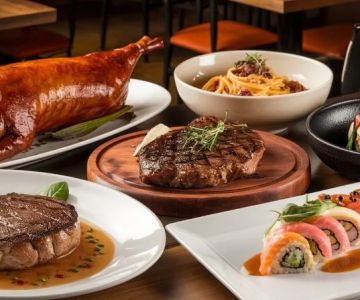
 El Corte – Argentinian Steakhouse4.0 (332 reviews)
 Cafe 683.0 (18 reviews)
 How Australia’s Restaurant Scene Is Adapting to the 2025 Dining Trends
 How Australian Restaurants Are Adjusting Menus for Health-Conscious Diners
 The Best Sushi Bars in Sydney for Omakase Lovers
 How Australia’s Restaurant Industry Is Responding to Health & Wellness Dining Movements | Sydney Eats Explorer
 Best Dining Spots in Australia for Mid-Week Dining Deals and Happy Hour Finds
 How Non-Alcoholic Dining Trends Are Affecting Australia’s Restaurant Scene