
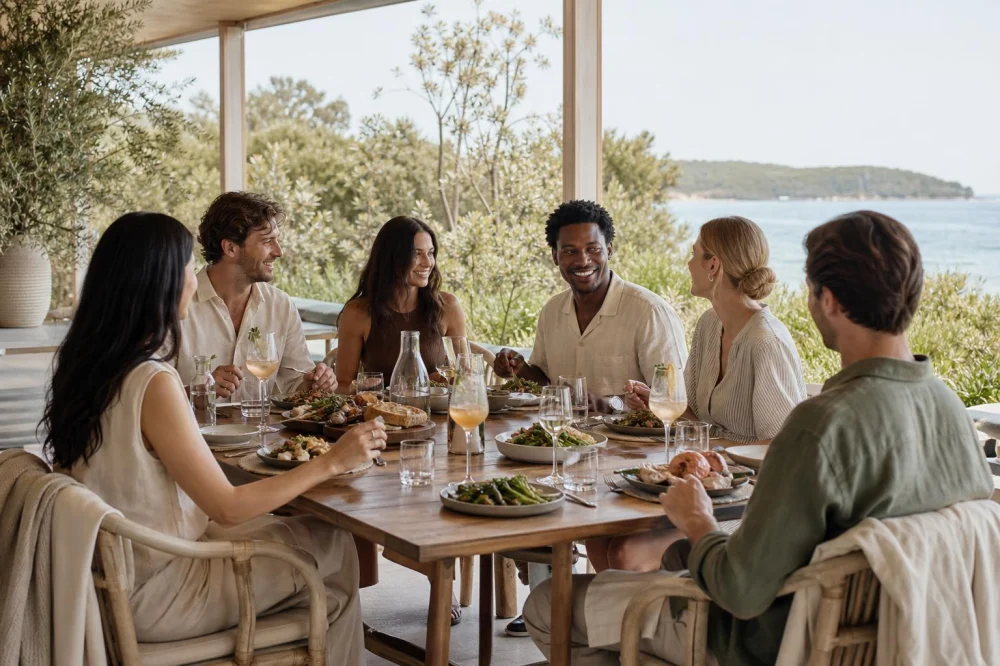
How to Plan a Relaxed Long Lunch in Australia
In this guide
A long lunch can be a leisurely weekend meal, a milestone celebration, a reunion, or a business-social gathering that unfolds over several courses. The relaxed feeling is created by planning: enough table time, a menu the group understands, safe transport, suitable weather arrangements, and no surprise about price or dietary needs.
OZEKI BOWL Westfield
SydneyCouncil of the City of SydneyNew South Wales
Westfield Sydney, Level 5/188 Pitt St, Sydney NSW 2000, Australia
Quick answer
Book directly and confirm how long the table is available, whether a set or banquet menu is mandatory, and when the kitchen closes. Share the current menu and total-cost expectations with guests. Ask about shade, rain, heat, access, dietary needs, children, and payment. Choose public transport, a designated driver, taxi, rideshare, or nearby accommodation when alcohol may be served, and make attractive alcohol-free drinks part of the plan.
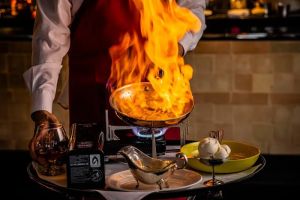
Define the occasion and guest list
A couple's quiet lunch needs a different venue from a 16-person birthday. Decide whether guests want conversation, scenery, food exploration, live music, family space, or a formal event. Rank those priorities before choosing a popular name.
Count every adult, child, infant, mobility device, high chair, and pram. Ask guests privately about allergies, dietary practices, access needs, transport limitations, and a comfortable budget range.
For a surprise celebration, the organiser still needs accurate logistics. Tell the restaurant what is planned, including cake, decorations, speeches, gifts, photography, or an additional guest, and follow its policies.
Confirm the booking duration
A restaurant may call the experience a long lunch while still assigning a table duration. Peak weekend bookings can have two seatings. Ask for the arrival time, table-return time, final kitchen order, bar finish, and whether guests may move elsewhere afterward.
Private and semi-private areas may require a minimum spend, deposit, set menu, service charge, or cancellation deadline. Obtain all terms in writing and understand how guest-number changes affect the total.
If the group wants three or four hours, state that before paying a deposit. Do not assume the restaurant can extend the table on the day, even when the room looks quiet at arrival.
Choose à la carte, set, or shared dining
À la carte lets each person choose but can slow a large group and create varied bills. A set menu simplifies ordering and pace but may require everyone to participate. A shared banquet creates variety but needs clear portioning and dietary alternatives.
Ask what the quoted price includes: snacks, bread, sides, dessert, tea or coffee, beverages, cake service, and still or sparkling water. Check supplement prices for premium dishes.
For a large group, preselect dishes or obtain choices in advance. Avoid an oversized menu that turns the first hour into negotiation. A good long lunch has enough food for the duration without constant heaviness.
Plan location and transport
Choose a place that is practical for the group, not only scenic. Compare train, bus, ferry, parking, rideshare availability, walking distance, hills, steps, and the return trip after service. Regional restaurants may have limited phone reception or transport late in the day.
Send the exact address, reservation name, arrival time, transport options, parking instructions, and a contact number. Add a buffer for weekend traffic and major events.
If alcohol is possible, no participant should feel pressured to drive. Arrange a designated driver who does not drink, public transport, taxi, rideshare, shuttle, or accommodation before arrival. Check return options rather than assuming they will be available.
Prepare for outdoor conditions
Australian outdoor dining can involve strong sun, heat, wind, sudden rain, insects, cool shade, or a sharp temperature change later. Ask whether the table is fully covered, shaded throughout the booking, heated, cooled, or moveable indoors.
“Weather protected” may mean an umbrella, awning, roof, screens, or an enclosed terrace. Clarify what happens if conditions become unsafe or uncomfortable and whether cancellation terms change.
Bring sun protection and a layer as appropriate, but keep sprays away from other diners and food. People with heat sensitivity, young children, and older guests may need indoor climate control rather than a picturesque patio.
Set a comfortable pace
Tell the server the group's desired finish time and whether speeches, gifts, or cake should occur between courses. The kitchen can plan better when it knows the structure early.
Allow guests to arrive and settle, but place the first order promptly if the table has a fixed duration. Balance richer courses with vegetables, acidity, lighter dishes, and water. A long lunch should not require continuous eating.
Schedule any formal remarks before attention fades and while all guests are present. Keep speeches concise and avoid using amplified audio unless the venue has approved it.
Make drinks inclusive and transport-safe
Wine pairing, cocktails, beer, and sparkling wine may be part of some lunches, but alcohol is never required. Ask for a considered nonalcoholic selection such as sparkling water, house sodas, tea, coffee, shrubs, juices, or alcohol-free pairings.
Do not ask why someone declines a drink. Health, religion, pregnancy, medication, recovery, driving, work, or preference may be private. Hosts should make both alcoholic and nonalcoholic choices easy to order.
Eat, pace service, drink water, follow local laws, and never drive impaired. Coffee, food, a cold shower, or waiting a short time does not provide a reliable shortcut to sobriety.
Handle dietary needs before the day
Give the restaurant a written list of allergies and dietary requirements by its deadline and identify which guest needs which meal. Ask how shared dishes, sauces, garnishes, fryer oil, bread, and serving utensils are handled.
For a medically significant allergy, the guest or organiser should have a direct conversation with the restaurant. No busy shared kitchen can promise zero risk without evaluating its own process. Carry prescribed emergency medication.
Check that substitute courses are comparable in substance and number, not a repeated side salad. Confirm again at the table discreetly so the right plate reaches the right person.
Agree on budget and bill arrangements
Estimate food, drinks, supplements, weekend or public-holiday surcharges, card fees, service charges, cake fees, room hire, parking, and transport. Share the expected range before guests commit.
Decide whether one host pays, guests transfer a fixed amount, or the bill is divided. Ask whether the restaurant splits bills and how. For a set menu, nonattendance may still be charged after the cutoff.
Tipping is optional in Australia unless a disclosed service charge or group condition applies. Review the bill before adding anything, retain the receipt, and solve discrepancies calmly with the restaurant.
Frequently asked questions
How long is a long lunch?
There is no fixed length. It may be two hours or most of an afternoon. The restaurant's confirmed table duration is what matters.
Does every guest need the set menu?
Many group bookings require it, while dietary alternatives are arranged separately. Ask before booking.
Can we bring a cake?
Policies vary. The venue may prohibit outside food, charge cakeage, require documentation, or offer its own cake. Confirm storage and service.
What if rain is forecast?
Ask whether the venue guarantees an indoor alternative and how weather affects cancellation. Do not rely only on an umbrella.
Should the organiser prepay?
Prepayment can simplify the day but may have refund and head-count conditions. Review written terms and the final inclusions.
Relaxation comes from preparation
A long lunch feels effortless when the practical choices have already been made. Confirm the table duration, choose a menu suited to the group, plan transport and weather, make drinks inclusive, communicate dietary needs, and agree on cost. With those details settled, the afternoon can be used for food, conversation, and the occasion instead of logistics.
 Soul Origin3.0 (100 reviews)
 La Belle Miette4.0 (139 reviews)
 Cicchetti Wine Bar3.0 (293 reviews)
 Top Choice2.0 (34 reviews)
 Lüneburger German Bakery5.0 (5 reviews)
 Yori Ozeki Myer Central Plaza4.0 (186 reviews)
 Best Restaurants in Sydney for Wedding Anniversary Dinners
 The Best Dining Spots in Australia for All-You-Can-Eat Buffets Worth the Price
 The Best Dining Spots in Australia for Chef-Led Tasting Menus and Behind-The-Scenes Access
 Best Restaurants in Sydney for Quick Lunch Near Office Areas
 How Local Sourcing Is Changing the Game for Restaurants in Melbourne
 How AI Is Personalising Dining in Australia - The Future of Restaurants