

- The Impact of Climate Change on the Restaurant Industry
- Challenges Faced by Australian Restaurants Due to Climate Change
- Sustainability Practices in the Restaurant Industry
- Adapting to the Changing Climate: Success Stories
- Sydney Eats Explorer Recommendations
The Impact of Climate Change on the Restaurant Industry
Climate change is one of the most pressing global issues of our time, and its impact is being felt in various industries worldwide. In Australia, the restaurant industry is no exception. As the climate continues to shift, the sector is encountering numerous challenges that affect everything from food sourcing to operational costs. The future of Australia’s restaurants depends largely on how well the industry adapts to these environmental changes.
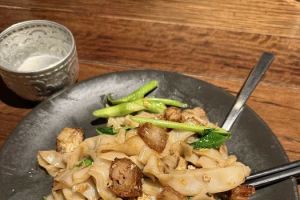
Chat Thai
SydneyCouncil of the City of SydneyNew South Wales
450 Market St, Sydney NSW 2000, Australia
Changing Weather Patterns and Ingredient Availability
One of the most direct ways climate change is impacting Australia’s restaurant industry is through unpredictable weather patterns. Floods, droughts, and extreme temperatures are affecting the agricultural sector, which in turn affects the availability and pricing of ingredients. Farmers are struggling to grow staple ingredients, such as vegetables, meats, and seafood, which are central to many restaurant menus. This unpredictability makes it difficult for restaurant owners to plan menus and maintain consistent pricing, putting pressure on both suppliers and consumers.
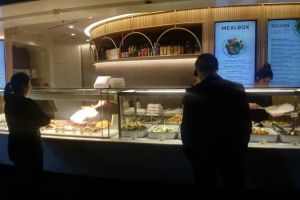
Esque
SydneyCouncil of the City of SydneyNew South Wales
Westfield Sydney, Shop 5005, Level 5/188 Pitt St, Sydney NSW 2000, Australia
Rising Operational Costs
Restaurants are also experiencing rising operational costs due to climate change. From higher electricity bills due to extreme weather conditions (such as increased air conditioning use during hot summers) to more expensive food sourcing, the costs of running a restaurant are climbing. These financial burdens are often passed down to consumers in the form of higher menu prices, which can deter customers and impact sales.
Challenges Faced by Australian Restaurants Due to Climate Change
Australian restaurants are facing a wide range of challenges as a result of climate change. These challenges are not only environmental but also economic and social. Here are some of the key issues restaurants are currently dealing with:
1. Supply Chain Disruptions
The impact of climate change on agricultural production has led to disruptions in supply chains. For example, droughts and heatwaves affect crop yields, while flooding can destroy farmland and infrastructure. This results in shortages of key ingredients, causing price increases and, in some cases, complete unavailability. Restaurants may find themselves unable to offer popular dishes due to supply chain interruptions, leading to dissatisfied customers.
2. Increased Demand for Sustainable Practices
As climate change continues to affect the environment, there is growing pressure on businesses, including restaurants, to adopt sustainable practices. Customers are becoming increasingly aware of the environmental impact of their dining choices and are seeking out restaurants that prioritize sustainability. This includes everything from sourcing locally produced, organic ingredients to reducing waste and energy consumption. For many restaurants, these changes require significant investment and adjustment to their operations.
3. Impact on Food Quality
Another challenge faced by restaurants is the potential decline in the quality of ingredients. As climate change affects the growing conditions of various crops and livestock, it may result in lower-quality food products. For example, a lack of water can cause crops to be smaller or less flavorful, while heat stress can affect the health of livestock, leading to inconsistent product quality. For restaurants that pride themselves on using high-quality, fresh ingredients, this is a significant concern.
Sustainability Practices in the Restaurant Industry
In response to the challenges posed by climate change, many Australian restaurants are adopting sustainability practices to reduce their environmental footprint and ensure long-term viability. These efforts not only help the environment but also appeal to eco-conscious customers who are eager to support businesses that align with their values. Here are some sustainability practices that are gaining traction in the industry:
1. Sourcing Locally and Seasonally
One of the most effective ways restaurants are combating climate change is by sourcing ingredients locally and seasonally. By purchasing food that is grown within the region and in season, restaurants can reduce their carbon footprint and support local farmers. This practice also ensures that ingredients are fresher and of higher quality, benefiting both the restaurant and its customers.
2. Waste Reduction and Recycling
Waste reduction has become a key focus for many restaurants in Australia. This includes minimizing food waste by using ingredients more efficiently and repurposing leftovers. Additionally, many restaurants are implementing comprehensive recycling programs to reduce their environmental impact. These efforts help conserve resources and reduce the amount of waste sent to landfills, which is particularly important in the context of climate change.
3. Energy Efficiency and Renewable Resources
In order to address rising operational costs and reduce their carbon footprint, many restaurants are investing in energy-efficient appliances and renewable energy sources. Solar panels, energy-efficient ovens, and LED lighting are just a few examples of how restaurants are cutting down on energy consumption. These sustainable investments not only help the environment but can also reduce long-term operational costs, benefiting the restaurant's bottom line.
Adapting to the Changing Climate: Success Stories
Despite the challenges, many Australian restaurants have found innovative ways to adapt to climate change and continue thriving in an unpredictable environment. For example, some restaurants have partnered with local farmers to secure a steady supply of high-quality ingredients, while others have implemented sustainable farming practices, such as hydroponics, to combat water shortages and produce fresh ingredients year-round. These forward-thinking strategies not only help reduce the impact of climate change but also position these restaurants as leaders in sustainability and innovation.
Case Study: A Sustainable Restaurant Model
One success story is a restaurant in Melbourne that focuses on serving seasonal, locally sourced produce. By working directly with local farmers and adopting a zero-waste policy, the restaurant has managed to reduce its environmental impact while offering fresh, high-quality food to its customers. This commitment to sustainability has helped the restaurant build a loyal customer base that values both the quality of the food and the environmental responsibility of the business.
Sydney Eats Explorer Recommendations
If you’re looking for restaurants in Sydney that prioritize sustainability and quality, check out Sydney Eats Explorer. We offer recommendations for eateries that use locally sourced ingredients, minimize waste, and adopt eco-friendly practices. Whether you’re looking for a sustainable dining experience or want to support a restaurant committed to climate-conscious practices, Sydney Eats Explorer has the best options for you.





 SWEET CREMA CAFE5.0 (20 reviews)
 Kagoshima Master Yakiniku Ultimo4.0 (802 reviews)
 Vic On George3.0 (90 reviews)
 Gowings4.0 (1121 reviews)
 Cafe 683.0 (18 reviews)
 Gong Cha Sydney Central Plaza4.0 (11 reviews)
 How Restaurants Are Partnering With Local Producers to Create Signature Dishes
 How Australia’s Restaurant Industry Is Preparing for the Impact of Climate Change on Menus
 The Best Sushi and Sashimi Restaurants in Perth for Premium Seafood Lovers
 The Impact of Climate Change on Australia’s Restaurant Industry
 How Non-Alcoholic Dining Trends Are Affecting Australia’s Restaurant Scene
 How Restaurants Are Responding to the Rise of Micro-Moments in Food Ordering in Australia