

- 1. The Relationship Between Climate Change and Food Production
- 2. Impact of Climate Change on Australian Restaurant Menus
- 3. Strategies for Sustainability in the Restaurant Industry
- 4. Real-Life Examples from Australian Restaurants
- 5. Future Trends in Sustainable Dining
1. The Relationship Between Climate Change and Food Production
Climate change is an increasingly pressing issue that impacts all sectors of society, and the food industry is no exception. Australia, known for its agricultural abundance, is facing significant challenges as climate change disrupts traditional farming practices. Rising temperatures, unpredictable weather patterns, and extreme droughts are threatening the availability of key ingredients, which in turn is affecting restaurant menus across the country.
For the restaurant industry, sourcing fresh ingredients that meet customer expectations while staying true to sustainability goals is becoming a complex task. Understanding the relationship between climate change and food production is crucial for restaurants to remain adaptable and prepared for future challenges.
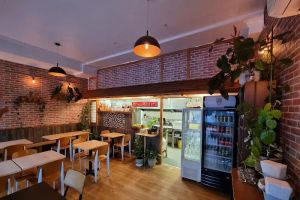
Rice & Curry
PyrmontCouncil of the City of SydneyNew South Wales
137/313 Harris St, Pyrmont NSW 2009, Australia
2. Impact of Climate Change on Australian Restaurant Menus
One of the primary ways that climate change is impacting Australian restaurants is through the availability of certain ingredients. Staples like seafood, vegetables, and grains are seeing fluctuating supplies due to changing weather patterns, such as droughts and floods. These disruptions can lead to price increases and shortages, forcing chefs to adjust their menus frequently.
For instance, seafood species like barramundi and prawns, which are integral to many Australian dishes, are facing population declines as ocean temperatures rise. Similarly, staple crops such as tomatoes and lettuce are becoming harder to grow in certain regions due to prolonged drought conditions.
As a result, many restaurants are being forced to rethink their menu options, relying on more resilient ingredients or sourcing alternatives. For example, instead of traditional seafood dishes, some restaurants are now experimenting with plant-based alternatives or locally sourced options that are less vulnerable to climate-related disruptions.
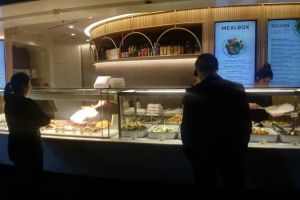
Esque
SydneyCouncil of the City of SydneyNew South Wales
Westfield Sydney, Shop 5005, Level 5/188 Pitt St, Sydney NSW 2000, Australia
3. Strategies for Sustainability in the Restaurant Industry
To mitigate the impact of climate change, Australian restaurants are adopting a variety of sustainability strategies. One of the key approaches is to integrate local and seasonal ingredients into their menus. By focusing on ingredients that are abundant and grown in the local environment, restaurants can reduce their carbon footprint and minimize their dependence on long-distance supply chains.
In addition to local sourcing, many restaurants are embracing sustainable practices such as:
- Waste Reduction: Restaurants are increasingly focusing on minimizing food waste through smarter portion sizes, reusing scraps, and donating leftovers to food banks.
- Energy-Efficient Appliances: The adoption of energy-efficient kitchen appliances reduces power consumption, contributing to a greener operation.
- Eco-Friendly Packaging: Many restaurants are switching to biodegradable or recyclable packaging to reduce single-use plastic waste.
- Support for Regenerative Agriculture: Some establishments are choosing to source from farms that use regenerative agriculture practices, which help restore soil health and promote biodiversity.
4. Real-Life Examples from Australian Restaurants
Several Australian restaurants are leading the charge in adapting their menus to the impacts of climate change. For example, Attica, one of Melbourne’s most renowned fine-dining establishments, has embraced sustainability by focusing on local and native ingredients. The restaurant uses seasonal produce and works closely with Australian farmers to ensure a sustainable supply chain.
Another example is Gelato Messina, which has taken steps to source ingredients responsibly and reduce its carbon footprint. The company has committed to using organic, Fairtrade-certified chocolate and is experimenting with alternative, plant-based gelato options in response to growing environmental concerns.
These examples demonstrate that even high-end restaurants can successfully adapt to the challenges of climate change while still offering high-quality, innovative menus that meet customer expectations.
5. Future Trends in Sustainable Dining
As climate change continues to affect the food industry, there are several trends that will likely shape the future of dining in Australia. One key trend is the rise of plant-based dining. As the environmental impact of meat production becomes more evident, many Australians are shifting towards plant-based diets, leading to an increased demand for vegetarian and vegan options.
Additionally, with the growing popularity of sustainability, regenerative agriculture is expected to play a larger role in the food system. This practice focuses on restoring the land’s health and producing food in a way that benefits the environment, rather than depleting it.
Technology also has a significant role to play. With innovations in food production like lab-grown meat and vertical farming, restaurants may soon have access to more sustainable, locally produced ingredients year-round, despite the challenges posed by climate change.
For those looking to explore sustainable dining options in Sydney, be sure to visit Sydney Eats Explorer for the best restaurants that prioritize eco-friendly and locally sourced ingredients.

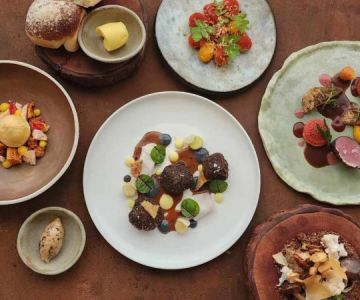




 Gowings4.0 (1121 reviews)
 LAN GARDEN4.0 (19 reviews)
 QTea High Tea by QT Sydney4.0 (97 reviews)
 Zeta Bar3.0 (486 reviews)
 Cafe 683.0 (18 reviews)
 Metropole Cafe4.0 (1020 reviews)
 How Local Sourcing Is Changing the Game for Restaurants in Melbourne
 Vegan-Friendly Restaurants in Melbourne That Even Meat-Eaters Love
 How Restaurants Are Using Dynamic Pricing to Match Demand and Supply in Australia
 How Australian Restaurants Are Fusing Technology With Dining Ambience
 How Australian Restaurants Are Offering Multi-Sensory Dining Experiences
 How Restaurants Are Using Subscription Models for Meal Clubs in Australia