
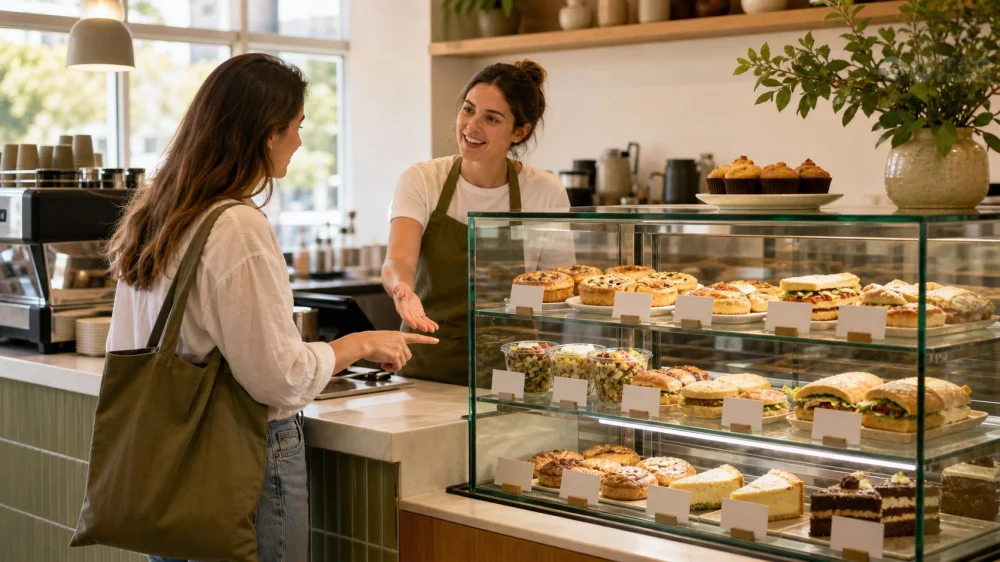
Australian Café Cabinet Food: Ask Before You Order
On this page
Quick answer
At an Australian café cabinet, ask what the item is, whether it is served hot or cold, what sides or condiments come with it, how long heating takes, and whether dine-in and takeaway prices differ. For allergies or dietary needs, have staff check ingredients and cross-contact rather than relying on appearance or a short label. Confirm your choice and service format before paying.
Café cabinet food is prepared food displayed in a chilled, ambient, or heated case for customers to select at the counter. It can include sandwiches, wraps, pies, sausage rolls, quiches, salads, slices, cakes, pastries, and other items, but the range and service method vary by café.
Ho Jiak Bar
SydneyCouncil of the City of SydneyNew South Wales
125 York St, Sydney NSW 2000, Australia
What café cabinet food includes
Cabinet ordering sits between a printed menu and a grab-and-go shelf. The item is visible, but important details may not be: filling, portion size after plating, heating method, included salad, added sauce, or whether the displayed piece is the one served.
Common arrangements include:
- Chilled savoury cabinet: sandwiches, rolls, wraps, salads, quiche, frittata, and items intended for reheating.
- Hot display: pies, sausage rolls, pastries, and prepared snacks held warm according to the café’s process.
- Sweet cabinet: cakes, slices, tarts, biscuits, pastries, and desserts, sometimes with dine-in plating or cream.
- Packaged takeaway section: labelled items meant to be carried away without additional plating.
- Rotating daily selection: small-batch items that may sell out or change fillings without a full menu reprint.
The cabinet is a starting point for a question, not proof of ingredients, freshness time, temperature, or serving inclusions.
Arches on Market
SydneyCouncil of the City of SydneyNew South Wales
Level 8/68 Market St, Sydney NSW 2000, Australia
Questions to ask at the counter
- What is the full item name and filling? Similar pastries or sandwiches can contain different meats, cheeses, vegetables, sauces, or nuts.
- Is it served hot, toasted, warmed, or cold? Ask whether the standard preparation can be changed and whether heating affects the wait.
- What comes with it? Dine-in service may add salad, relish, butter, cream, ice cream, or another accompaniment that is not inside the cabinet.
- Is this the serving size? A cake may be cut to order, while a salad container or pie may be sold as displayed.
- Is the price for dine-in or takeaway? Confirm the displayed amount, packaging, table-service arrangement, and any clearly disclosed surcharge that applies.
- How long will it take? Toasting, oven heating, plating, and a busy coffee queue can make a cabinet item slower than it appears.
- Can staff check my specific dietary concern? Ask about the item, added sides, condiments, and preparation process together.
- Where will the order be delivered? Know whether to wait at the counter, take a number, listen for a name, or sit at a table.
Pointing alone can create mistakes when several similar items are displayed. Say the name or position and repeat the heating and service preference in plain language.
How to choose the right item
For a quick meal
Choose something already prepared in the service format you need and ask for the realistic wait. An item requiring oven heating may take longer than a cold sandwich, while a toasted sandwich may queue behind other orders.
For texture
Ask how heating changes the item. Pastry may be crisp when oven-warmed but softer after takeaway packaging; a sandwich may be pressed or simply warmed; cake may be served at room temperature or chilled.
For portion and value
Compare the complete serving, not only the cabinet piece. Dine-in additions, packaging, preparation, and portion can differ. Avoid assuming that the largest-looking item offers the best fit for appetite or budget.
For freshness questions
Ask staff about the café’s current item rather than guessing from condensation, colour, or position in the display. If food looks damaged, contaminated, incorrectly stored, or inconsistent with its label, do not buy it and calmly alert staff.
For takeaway travel
Consider travel time, weather, leakage, refrigeration needs, and whether a crisp or hot item will hold its texture. Ask for packaging suited to the product without requesting unsafe temperature handling.
Allergens and dietary needs
Cabinet food can contain ingredients that are not visible, including egg, milk, wheat or other gluten-containing cereals, soy, sesame, peanuts, tree nuts, fish, shellfish, lupin, or added sauces and garnishes. A “veggie” filling does not necessarily mean vegan, and a flourless cake is not automatically safe for someone with coeliac disease.
When a medical dietary restriction is involved:
- Name the exact allergen or condition rather than asking only whether an item is “safe.”
- Ask staff to check current ingredient and allergen information for the specific batch or supplier.
- Include bread, pastry, filling, sauce, garnish, side salad, dressing, and added cream or ice cream in the question.
- Ask about shared tongs, knives, boards, sandwich presses, ovens, display contact, and crumb transfer when cross-contact matters.
- Decline the item if the café cannot verify the information needed for your safety.
Do not rely on a handwritten label, product colour, display shelf, or another customer’s experience as the only evidence. Recipes and suppliers can change.
Dine-in, takeaway, and timing
Dine-in: Ask whether the item will be plated, heated, and brought to the table or collected at the counter. Keep the table number visible if the café uses one. Do not move to an unreported table after ordering.
Takeaway: Confirm that the item and any condiments are packed, then keep hot and cold products managed according to the café’s instructions and general food-safety guidance. Avoid leaving perishable food in a warm vehicle or carrying it for an uncertain period.
Split service: Coffee and food may arrive separately because they use different queues. If timing matters—for a train, meeting, school pickup, or pre-theatre plan—ask before paying whether the order can reasonably fit the available time.
Sold-out items: A display gap or outdated online photo does not guarantee availability. Ask for a close substitute based on the desired format and flavour, then recheck allergens and price for the substitute.
Limitations and important notes
- This guide describes common Australian café ordering patterns, not a rule for every state, territory, business, or food-service model.
- Current café labels, staff information, allergen records, pricing, and service policies control the actual order.
- A visible display does not allow a customer to assess food safety or internal temperature.
- Do not open packaging, reach into a cabinet, handle serving utensils, or move labels without staff permission.
- For a serious allergy or coeliac disease, use café-specific information and personal medical advice rather than a general dining guide.
Sources and evidence notes
The advice reflects broad hospitality and food-allergy communication practice: clarify the item and service format, confirm the full serving, ask specific ingredient and cross-contact questions, and use current establishment information. The meaning of short café labels can vary, so direct confirmation is more reliable than assumption.
Useful sources for a real order include the current cabinet card, printed or digital menu, staff explanation, supplier packaging or recipe record available to the café, and written allergen information. For food-safety concerns, follow official guidance from the relevant Australian authority.
Frequently asked questions
Does cabinet food always come faster than menu food?
No. It may still need heating, toasting, plating, or queue time. Ask for the current estimate when speed matters.
Can I ask to have a pie or quiche heated?
Yes, ask how the café normally serves it and what heating options are available. The staff should choose an approved method and safe time, not a rushed shortcut.
Why can dine-in and takeaway look different?
Dine-in may include plating, sides, cutlery, condiments, or service, while takeaway uses packaging and may omit extras. Confirm the complete offering and price before ordering.
Is a gluten-free label enough for coeliac disease?
Ask about the ingredients and preparation environment, including shared equipment and display contact. Individual medical needs and cross-contact risk require more than a visual label alone.
Can I take a photo of the cabinet to decide?
Ask the café and avoid including staff, other customers, payment screens, or private information. Do not block the counter while reviewing the image.
Next steps
At the next café, choose one cabinet item and ask four things before paying: full filling, hot or cold service, included sides, and realistic wait. Add a specific allergen question when needed, then confirm dine-in or takeaway and where to collect the order. That short exchange makes the visible food match the meal you expect.

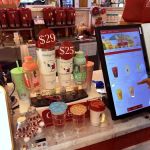 Gong Cha Sydney Central Plaza4.0 (11 reviews)
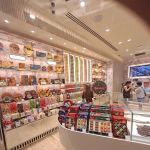 Venchi - The Galeries Sydney4.0 (805 reviews)
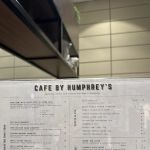 Cafe 683.0 (18 reviews)
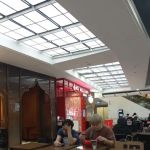 No.1 malatang Central plaza2.0 (42 reviews)
 Subway3.0 (35 reviews)
 Little Sparrow QVB3.0 (46 reviews)
 The Best Dining Spots in Australia for Instagram-Loving Foodies Who Want That Shot
 The Best Sushi Bars in Sydney for Omakase Lovers
 How Australian Restaurants Are Fusing Technology With Dining Ambience
 Best Restaurants in Melbourne for Romantic Evenings and Date Nights
 How to Check BYO Rules Before Dining in Australia
 How Non-Alcoholic Dining Trends Are Affecting Australia’s Restaurant Scene