
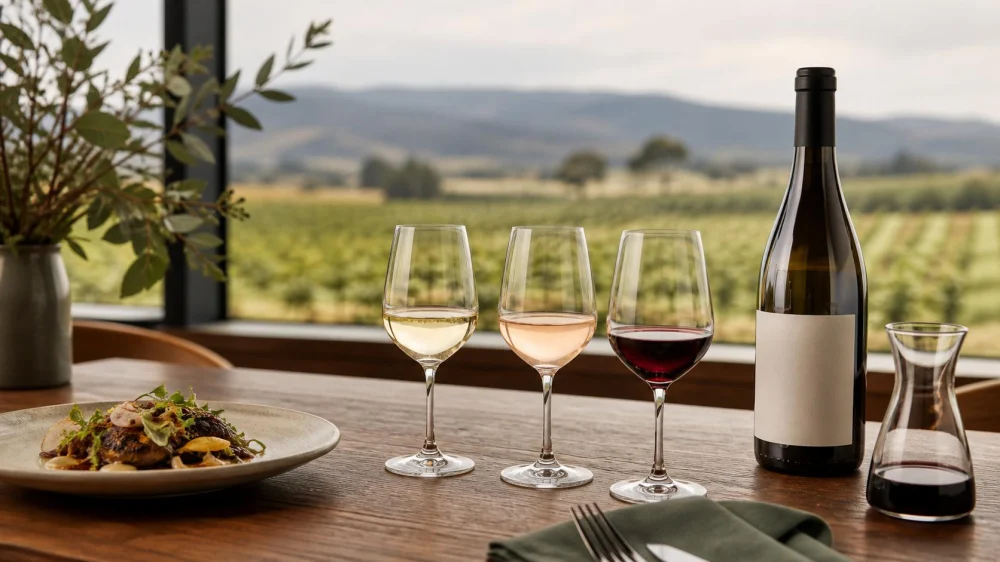
Australian Wine by the Glass: Check Pour, Vintage, and Price
Table of contents
- Quick answer
- Read the list in layers
- Ask about pour size and standard drinks
- Use region and variety as clues
- Confirm vintage and current bottle
- Describe taste without jargon
- Pair with the actual dish
- Check service and condition
- Control the bill and travel safely
- Frequently asked questions
- Sources and verification
- Conclusion
Quick answer
When ordering Australian wine by the glass, check the producer, wine name, grape variety or blend, region, vintage, glass price, pour size, and alcohol level when available. Ask which bottle is currently open and when it was opened. Describe the weight, sweetness, acidity, tannin, and flavours you prefer, then match the wine to the dish and your budget. Count standard drinks rather than assuming one restaurant glass equals one standard drink.
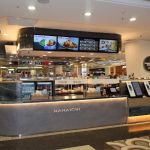
Hanaichi Sydney Central Plaza
SydneyCouncil of the City of SydneyNew South Wales
Shop 29LP, Food Court (Near Mc Donald's, Level 1/450 George St, Sydney NSW 2000, Australia
Read the list in layers
A compact wine-list entry can carry several facts in one line. It may begin with the producer, followed by a proprietary wine name, variety or blend, vintage, region, and price. Ask staff to identify each part if the typography is unclear. A familiar word may be a place, grape, brand, or cuvée rather than a style guarantee.
Look for separate prices for tasting pour, standard glass, large glass, carafe, and bottle. The cheapest-looking number may correspond to the smallest serve. Ask whether tax is already included in the displayed Australian price and whether a weekend, public-holiday, card, or service surcharge applies.
“By the glass” does not promise unlimited availability. Restaurants rotate bottles, replace sold-out vintages, and preserve some wine using specific systems. If the exact wine matters, ask staff to confirm the current bottle before ordering.
San Valentino
SydneyCouncil of the City of SydneyNew South Wales
Level 5/188 Pitt St, Sydney NSW 2000, Australia
Ask about pour size and standard drinks
Glass shape is a poor guide to volume. A large bowl can hold a modest measured pour, while a smaller-looking glass can contain a stronger wine. Ask for the pour size in millilitres and the alcohol by volume. Those two numbers help estimate the amount of alcohol more accurately.
The Australian Government defines one standard drink as 10 grams of pure alcohol. Its standard-drinks guide shows why servings vary: wine strength and volume both matter, and many common restaurant serves contain more than one standard drink. You can ask restaurant staff for standard-drink information.
A tasting flight may contain several small glasses whose combined alcohol is easy to underestimate. Ask for each pour size, the alcohol range, and the total number of standard drinks if known. Share, skip, or use a spittoon only where the venue permits and provides one; never assume a flight is low-alcohol merely because each glass is small.
Use region and variety as clues
Australia has many registered wine regions, subregions, climates, soils, producers, and winemaking approaches. Region and variety are useful starting clues, not promises that every bottle tastes alike. Wine Australia provides official searchable resources for regions, geographical indications, and grape-variety snapshots.
If the list names Shiraz, Chardonnay, Cabernet Sauvignon, Riesling, Pinot Noir, Grenache, Semillon, or another variety, ask how this producer’s version tastes. A blend may intentionally combine varieties, vineyards, or regions. The staff may describe body, fruit character, acidity, tannin, oak, ageing, and serving temperature.
For an unfamiliar region, ask a practical question: “How does this glass compare in weight and freshness with the one above it?” That invites a direct comparison without requiring detailed regional knowledge. Treat marketing phrases as prompts for conversation, not measurable guarantees.
Confirm vintage and current bottle
The vintage is generally the harvest year associated with the wine, but a non-vintage wine blends years or is labelled under different rules. Vintage can affect availability and style, yet it does not rank quality by itself. Producer decisions, storage, variety, site, and bottle condition also matter.
Restaurant websites and printed lists can lag behind deliveries. If a list shows one year but staff brings another, ask whether the price and style remain the same before accepting it. A replacement may be perfectly suitable, but the diner should know what is being served.
Ask when the bottle was opened if freshness matters, especially for a delicate or sparkling wine. Restaurants use different preservation and turnover practices. There is no universal hour after which every wine is faulty. Evaluate the glass and let staff know promptly if it seems oxidised, flat, cork-tainted, unusually warm, or otherwise inconsistent with their description.
Describe taste without jargon
Useful preferences are relative and sensory. Say whether you want light or full-bodied, dry or noticeably sweet, crisp or soft, low or firm tannin, fruit-forward or savoury, lightly oaked or strongly oaked. Mention a wine you enjoyed and what you liked about it, rather than expecting the name alone to explain your taste.
A request for “not too acidic” may mean you dislike sourness, sharpness, or a particular flavour. Ask for a comparison or a small authorised taste when the venue offers one. A tasting sample is not guaranteed and should not become a way to sample many wines without ordering.
Temperature changes perception. A very cold white can seem muted, while a warm red can seem more alcoholic. Ask whether the service temperature is intentional and allow a moment in the glass before judging.
Pair with the actual dish
Pairing begins with the dish’s dominant structure, not only its main protein. Sauce, spice, salt, sweetness, smoke, fat, acidity, and cooking method can change the choice. Grilled fish with chilli and lime may call for a different glass than the same fish in a buttery sauce.
Tell staff what you ordered and whether you want contrast or harmony. An acidic wine may refresh a rich dish; a wine with some sweetness may soften chilli heat; tannin may interact with protein and bitterness. These are flexible tendencies, not rules. Personal preference should win over a pairing chart.
For a table sharing several dishes, choose a versatile glass, order different glasses over the meal, or ask about a carafe. Compare the total cost and volume before moving from glasses to a bottle.
Check service and condition
Staff may present the bottle before pouring so you can confirm the label and vintage. Look at the wine’s appearance, then smell and taste normally. The purpose is to identify condition and match, not to reject a sound wine simply because you dislike the style after ordering it accurately.
If something seems wrong, explain the observation promptly: damp-cardboard aroma, vinegar-like sharpness, loss of bubbles, unexpected warmth, or a mismatch with the listed bottle. Let staff inspect and propose the venue’s remedy. Avoid declaring a technical fault from across the table.
Control the bill and travel safely
Set a per-glass or meal beverage budget. Check whether the price is for the listed pour size and review the bill before payment. A bottle is not automatically better value after unfinished wine, different preferences, and transport are considered.
Plan transport before drinking. Australian health guidance says less alcohol means lower risk, and some people should not drink at all. The national guidelines state limits intended to reduce risk, but they are not a target or a guarantee of safety. Pregnancy, breastfeeding, age, medication, health conditions, driving, and other activities require particular caution and sometimes no alcohol.
Use a designated non-drinking driver, public transport, taxi, rideshare, or nearby accommodation as appropriate. Coffee, food, water, or waiting does not provide a reliable shortcut to safe driving. Follow current state and territory law.
Frequently asked questions
Is one glass of wine one standard drink?
Not necessarily. Volume and alcohol strength determine standard drinks. Ask for the millilitres and alcohol by volume or the restaurant’s standard-drink information.
Does region guarantee a wine’s taste?
No. Region provides context, while variety, producer, vintage, site, and winemaking also influence style. Ask for a direct comparison.
Can I ask to taste before ordering?
You can ask, but the venue decides whether it offers a sample. Use the opportunity to confirm style or condition, not to request an informal flight.
Should I reject a different vintage?
Ask about the change before accepting it. The replacement may be suitable, but price, availability, and style should be clear.
When is a bottle better value?
Compare total millilitres and price, then consider whether the table wants the same wine, can finish it responsibly, and can lawfully transport leftovers under venue and local rules.
Sources and verification
- Australian Government Department of Health, Standard Drinks Guide — official definition, examples, and tracking guidance.
- Australian Government Department of Health, How Much Alcohol Is Safe to Drink? — current national risk-reduction guidance.
- Wine Australia, Regions and Varieties — official industry information and searchable resources.
- Wine Australia, Geographical Indications — official register and regional boundaries.
Verify the restaurant’s current bottle, vintage, pour, price, and service terms at the time of ordering.
Conclusion
A useful by-the-glass choice comes from a few concrete questions. Identify the wine, confirm the vintage and pour, describe the style you enjoy, and connect it to the food. Then track standard drinks, the bill, and the trip home. You do not need expert vocabulary to order thoughtfully; you need clear information.

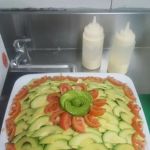 Salt&Pepper3.0 (9 reviews)
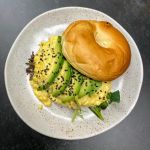 ONEA Café4.0 (77 reviews)
 Grill'd Burgers - Westfield Sydney4.0 (916 reviews)
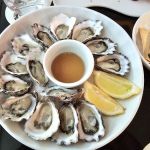 Arches on Market4.0 (92 reviews)
 Hanaichi Sydney Central Plaza4.0 (12 reviews)
 Harry's Café de Wheels - Darling Quarter3.0 (119 reviews)
 How Restaurants in Australia Are Using AI to Recommend Dining Spots Based on Mood and Weather
 The Best Eco-Friendly Restaurants in Sydney Leading the Sustainability Charge
 Australian Pub Meals: How to Order at the Bistro
 Best Dining Spots in Australia for Craft and Specialty Coffee With Full Meals
 Australian Café Cabinet Food: Ask Before You Order
 The Best Restaurants in Australia for Coffee Lovers That Also Serve Meals