
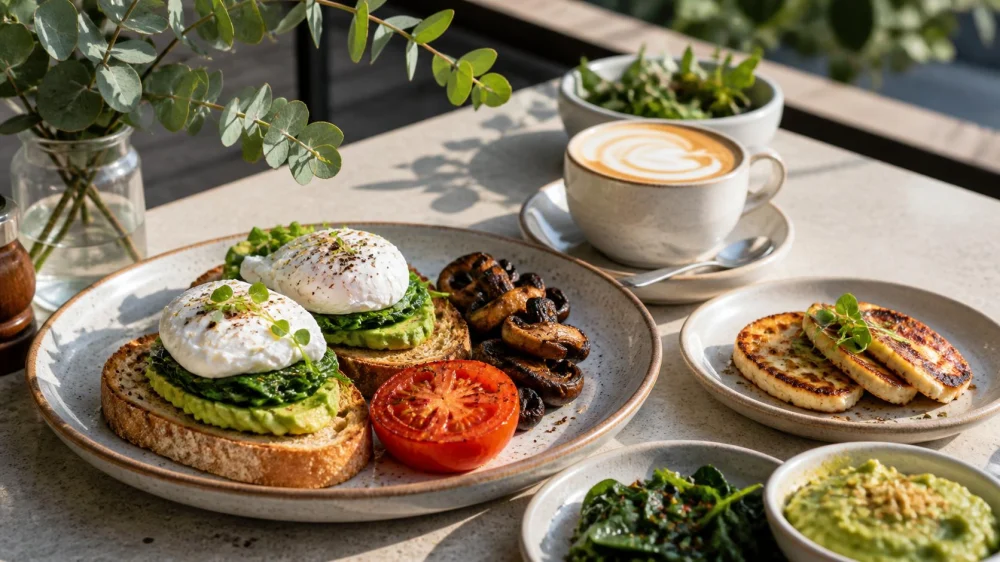
Australian Café Brunch: Check Add-Ons, Portions, and Timing
Table of contents
Australian café brunch often combines a base dish with optional extras: eggs on toast with avocado, a breakfast plate with added mushrooms, or pancakes with fruit and ice cream. This flexibility is useful, but it can make the final portion and price difficult to predict. A short menu review helps you order enough food without accidentally building a plate that is much larger or more expensive than expected.
Menus, terminology, and service styles vary across Sydney and Australia. Some cafés offer table service, while others require ordering and paying at the counter or through a QR system. Add-on prices may be per egg, per slice, per portion, or per item. Confirm anything ambiguous before ordering, particularly when substitutions, dietary needs, public holiday surcharges, or limited seating times affect the visit.
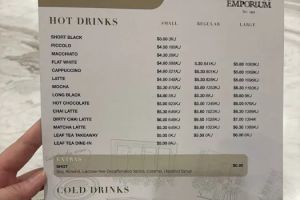
The Coffee Emporium Sydney Westfield
SydneyCouncil of the City of SydneyNew South Wales
Sydney Central Plaza, Kiosk 35G, Sydney NSW 2000, Australia
Read the brunch menu structure
Identify what the base dish includes before selecting extras. “Eggs on toast” may include two eggs and one or two slices of bread, but that is not universal. A “big breakfast” may already contain avocado, tomato, mushrooms, meat, beans, and hash browns. Adding the same items again can duplicate both quantity and cost.
Look for symbols and footnotes that explain vegetarian, vegan, gluten-free, dairy-free, or spicy choices. These symbols are helpful guides, not complete allergy guarantees. Read whether bread choice, egg style, sauce, or milk alternative changes the price. A substitution may be free, charged as an add-on, or unavailable when it changes how the kitchen prepares the dish.
Check the hours for the specific menu. All-day breakfast does not necessarily mean every brunch item is available until closing, and a kitchen may stop taking orders before the café closes. If you plan a late brunch, confirm the kitchen cutoff and whether bookings or walk-ins are accepted.

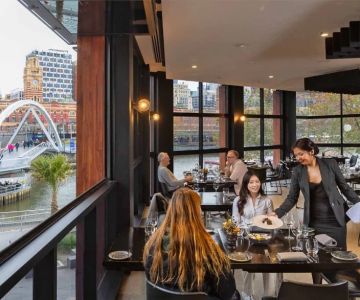
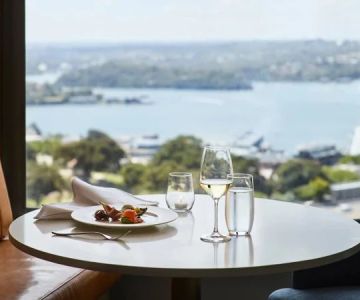
THE TERNARY RESTAURANT
PyrmontCouncil of the City of SydneyNew South Wales
100 Murray St, Pyrmont NSW 2009, Australia
Check add-on prices and quantities
An add-on list usually states the price for one kitchen-defined portion. It may mean one egg, one sausage, a small bowl of mushrooms, half an avocado, or another quantity. Ask if the portion matters to your decision. Do not calculate value based on an assumed grocery-sized unit.
Build the expected total before ordering. Start with the base dish and add each extra, beverage, milk alternative, or side. For a shared extra, confirm whether one portion is enough for two people and whether the kitchen can place it on a separate plate. Some cafés charge for additional plates or do not split dishes during peak service; current menu wording and staff guidance apply.
Consider composition as well as price. Several rich extras can overwhelm the base dish, while a vegetable side may add balance. Ask what the server recommends for the portion. If you want a smaller meal, a single side or an entrée-sized option may work better than heavily modifying a large signature dish.
Confirm eggs, proteins, and substitutions
State how you want eggs prepared using the café’s listed options. Poached, fried, scrambled, and boiled eggs have different textures and preparation times. If you require eggs to be thoroughly cooked, say so explicitly. Some dressings, sauces, mayonnaise, or desserts may also contain egg.
Protein add-ons may include bacon, sausage, ham, salmon, halloumi, tofu, or legumes. Ask what a generic term means if the ingredient or preparation matters. Bacon styles and sausage ingredients differ, and smoked salmon is not the same as cooked salmon. Vegetarian substitutes may be cooked on shared grills or in shared fryers.
If replacing one included item with another, confirm whether the café treats it as a direct swap or charges the new ingredient as an extra. Removing bacon does not automatically credit its menu value against avocado or salmon. Staff can explain the pricing rule before the order is entered.
Discuss dietary needs clearly
For an allergy, name the allergen and ask about the entire dish, including bread, spreads, sauces, garnishes, cooking surfaces, fryers, and drinks. A “gluten-free bread available” note does not necessarily mean the kitchen can prevent cross-contact. A vegan base can receive a non-vegan garnish or sauce if modifications are not recorded clearly.
Contact the café in advance when the risk is serious, then repeat the discussion when ordering. Online notes and QR-code fields can be missed or shortened. Ask staff to confirm what the kitchen can do, and choose another dish or venue if the process does not meet your needs.
People who are pregnant, immunocompromised, older, or otherwise at higher risk from foodborne illness may need to avoid or modify foods such as undercooked eggs, certain chilled ready-to-eat products, or unpasteurised ingredients. Follow current Australian health guidance and individual advice from a qualified clinician rather than relying on a general brunch guide.
Coordinate coffee and other drinks
Australian cafés often prepare coffee quickly, but the food may take longer during a rush. Tell staff if you prefer drinks with the meal, before it, or as takeaway afterward. The café may not guarantee exact synchronisation, but a clear request helps. For multiple coffees, repeat the size, style, temperature request, and milk choice for each person.
Check whether alternative milk, extra shots, syrups, decaffeinated coffee, sparkling water, or fresh juice costs more. A shared water bottle may be tap, filtered, or bottled and priced accordingly. If alcohol is served at brunch, review standard-drink information where available and plan safe transport.
Do not leave hot drinks near the edge of a crowded table, pram, or child. Ask for a tray or move drinks one at a time. A takeaway lid reduces splashing but does not make a cup spill-proof; carry it upright and avoid placing it unsecured in a vehicle.
Plan for busy brunch periods
Weekend mornings and public holidays can bring queues, limited table times, and longer kitchen waits. Check whether the café takes bookings, operates a waitlist, or seats only complete parties. If there is a time limit, ask when it begins and plan ordering accordingly. Tell staff early if you have a train, flight, event, or other hard deadline.
Large groups should call ahead. Confirm whether orders must be on one bill, whether a set menu applies, and whether the café can seat prams, wheelchairs, or mobility aids without blocking an aisle. Outdoor seating needs a weather plan. A sunny table may lack shade later, while rain can reduce capacity suddenly.
Once seated, have choices ready before joining a counter queue. Use one person to place a large order if the café prefers, but label drinks and meals by guest. Return table markers or buzzers as directed. Courtesy at a busy café is mostly about following its service flow and keeping access routes clear.
Review the bill and surcharges
Australian café prices may be subject to clearly disclosed weekend, public holiday, or card surcharges. Read the menu, entrance notice, QR checkout, and payment screen before confirming. Ask how the surcharge is calculated if it is unclear. Add-ons and milk alternatives should appear as separate lines or be reflected in the dish total.
Match the quantities and modifications to the receipt. If a charge seems wrong, raise it before leaving and identify the specific line. Keep the conversation factual; an apparent duplicate may represent two add-ons ordered for different diners. If paying by card, review the amount on the terminal rather than tapping automatically.
Tipping in Australia is generally discretionary, but payment terminals may present a prompt. Check whether any service amount is already included, then choose based on the actual terms and your preference. Do not mistake a mandatory disclosed surcharge for a voluntary tip.
Handle takeaway and leftovers safely
Ask whether leftovers can be packed and whether a container fee applies. Some egg dishes, dressed salads, or crisp items do not travel particularly well. Refrigerate suitable leftovers promptly and follow current food-safety guidance for storage and reheating. When safety is uncertain, discard the food rather than judging only by smell.
For takeaway brunch, count packages, check lids, and keep hot food separate from cold drinks. Go directly to the destination. Do not microwave or place packaging in an oven unless it is specifically marked safe for that use.
Australian café brunch checklist
Confirm the service style, menu hours, base-dish contents, add-on quantities, substitution rules, dietary process, drink timing, booking policy, table limit, and surcharges. Review the total before payment and the package count before taking food away.
Brunch ordering is easier when every extra has a purpose. Start with the complete base dish, add only what suits the appetite and dietary need, and confirm the price and portion. That small routine leaves more attention for the coffee, conversation, and café experience.

 Koko Black - Lower Ground QVB4.0 (17 reviews)
 SWEET CREMA CAFE5.0 (20 reviews)
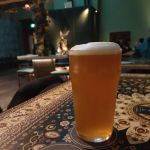 ArtHouse Hotel3.0 (1210 reviews)
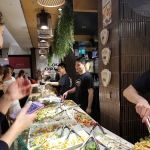 Soul Origin3.0 (100 reviews)
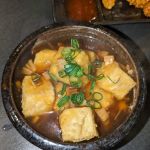 Nanashi & Amahouse4.0 (58 reviews)
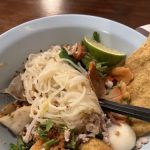 Samosorn Thai Sydney4.0 (182 reviews)
 “Where to Find the Best Vegan Desserts in Melbourne | Sydney Eats Explorer”
 The Best Dining Spots in Australia for Craft and Specialty Coffee With Full Meals
 How to Choose a Restaurant for Food Allergy Needs
 Australian Restaurant Tipping: Read the Bill, Choose Wisely
 How Restaurants Are Using Dynamic Pricing to Match Demand and Supply in Australia
 Best Restaurants in Sydney for Seasonal Menus and Local Ingredients