

How Restaurants Are Using Smart Kitchen Technology to Reduce Waste in Australia
- Introduction to Smart Kitchen Technology
- Reducing Waste in Restaurants
- Smart Kitchen Solutions in Action
- Case Studies and Real-Life Examples
- Benefits and Future Trends
1. Introduction to Smart Kitchen Technology
In recent years, smart kitchen technology has been gaining significant attention in the food industry, particularly in Australia. This technology uses advanced tools like sensors, artificial intelligence (AI), and machine learning to optimize kitchen operations, ensuring food is prepared more efficiently while reducing waste. In an era of increasing environmental awareness, reducing food waste has become a major focus for restaurants, and smart kitchen technology offers the perfect solution.

San Valentino
SydneyCouncil of the City of SydneyNew South Wales
Level 5/188 Pitt St, Sydney NSW 2000, Australia
2. Reducing Waste in Restaurants
Waste reduction is one of the most pressing issues in the restaurant industry, not only for environmental reasons but also due to the rising costs associated with food wastage. Restaurants often face challenges with over-portioning, spoilage, and inefficient use of ingredients. However, with the integration of smart kitchen technology, these issues are becoming more manageable.
Smart kitchens use data-driven insights to track ingredient usage, predict consumption patterns, and manage inventory. For instance, systems can alert kitchen staff when ingredients are nearing expiration, minimizing spoilage. Moreover, AI-based systems can optimize portion sizes by analyzing customer preferences, reducing both food waste and costs. In this way, restaurants can significantly reduce their waste footprint.

Yori Ozeki Myer Central Plaza
SydneyCouncil of the City of SydneyNew South Wales
MYER LOWER GROUND, CENTRAL PLAZA, 100 Market St, Sydney NSW 2000, Australia
3. Smart Kitchen Solutions in Action
Several Australian restaurants have embraced smart kitchen technology to streamline operations and reduce waste. A key example is the implementation of waste-tracking devices that monitor the amount of food discarded. By analyzing this data, restaurants can adjust their ordering and preparation practices to avoid overstocking and ensure ingredients are used efficiently.
Another innovative solution is the use of smart refrigerators that monitor temperature and humidity levels to preserve food better and longer. These fridges not only keep food fresh but also alert staff if there’s a problem, reducing the chances of unnecessary waste. Additionally, there are smart composting systems that help restaurants manage organic waste by automatically breaking down food scraps into compost, reducing landfill waste.
4. Case Studies and Real-Life Examples
One notable example is "The Green Table," a restaurant in Sydney that has integrated smart kitchen solutions to reduce waste significantly. By using AI-powered inventory management systems, they’ve been able to track stock levels more accurately, reducing food spoilage and over-ordering. As a result, they’ve cut their food waste by 30% within just six months.
Another example is "EcoBites" in Melbourne, which uses a smart waste tracking system that helps them understand which food items are wasted most often. This data allows them to adjust portion sizes and menu offerings, ultimately minimizing their food waste. This approach has led to a 25% reduction in waste, making them a pioneer in sustainable restaurant operations in Australia.
5. Benefits and Future Trends
The benefits of adopting smart kitchen technology go beyond just reducing waste. Restaurants that implement these solutions also enjoy improved efficiency, reduced operational costs, and a stronger commitment to sustainability. As these technologies continue to evolve, future trends suggest that smart kitchens will become more automated, integrating further with IoT (Internet of Things) devices for a fully connected and efficient kitchen environment.
In the coming years, we can expect a wider adoption of predictive analytics, which can anticipate food shortages or surpluses and help restaurants manage their supplies more proactively. Additionally, the integration of robotic technologies may streamline food preparation processes, reducing both time and waste. As Australian consumers continue to prioritize sustainability, restaurants that adopt these technologies will likely enjoy a competitive edge.
For those looking to explore more about sustainable solutions in the Australian food industry, Sydney Eats Explorer offers comprehensive recommendations for the best restaurants, products, and services that support environmentally friendly practices.

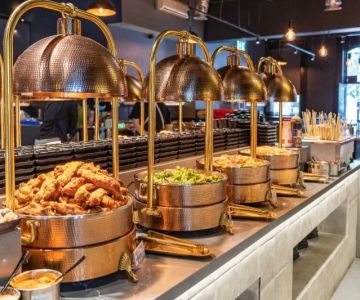




 Betty's Burgers4.0 (3942 reviews)
 Yomie’s Rice x Yoghurt3.0 (73 reviews)
 Sushi Hotaru Charcoal Bar4.0 (423 reviews)
 Gözleme King Sydney4.0 (206 reviews)
 Hanaichi Sydney Central Plaza4.0 (12 reviews)
 Kagoshima Master Yakiniku Ultimo4.0 (802 reviews)
 How Australia’s Restaurant Industry Is Responding to Health & Wellness Dining Movements | Sydney Eats Explorer
 The Best Dining Spots in Melbourne for Breakfast Meet-ups and Business Brunches
 From Farm to Fork: Meet the Producers Supplying Sydney’s Hottest Restaurants
 The Best Italian Pasta-Bar Experiences in Australia for Authentic Vibes
 The Best Sushi and Sashimi Restaurants in Perth for Premium Seafood Lovers
 The Best Dining Spots in Australia That Serve Indigenous Bush-Food Inspired Dishes