
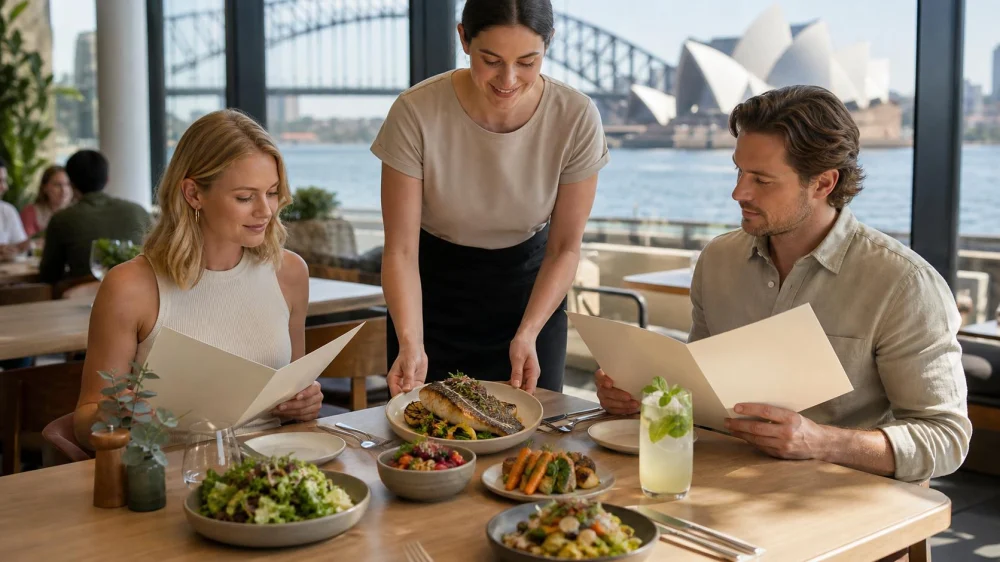
How to Read an Australian Restaurant Menu
On this page
Quick answer
On many Australian menus, “entrée” means a smaller first course and “main” means the larger principal dish. “Feed me” or a set menu usually means a restaurant-chosen sequence, while shared plates are ordered for the table. Check whether sides, bread, sauces, tax, weekend surcharges, and service charges are included, and ask about unfamiliar seafood, dietary labels, BYO rules, and portion size.
Menu terminology is a restaurant's shorthand for course size, preparation, ingredients, service format, and purchasing conditions; meanings can vary between venues.
Grill'd Burgers - Westfield Sydney
SydneyCouncil of the City of SydneyNew South Wales
Westfield, Level 6/188 Pitt St, Sydney NSW 2000, Australia
Entrée, main, and sides
In Australia, an entrée is commonly a starter or smaller first course—not the main course usage familiar to many U.S. diners. A main is the principal plate. Some contemporary menus instead use “snacks,” “small plates,” “large plates,” and “sides.”
- Snack: a small bite, often one or two pieces; ask how many are served.
- Entrée/small plate: generally smaller than a main but not always designed for sharing.
- Main/large plate: a larger dish; sides may be separate.
- Side: vegetables, salad, potatoes, rice, or bread ordered in addition.
- Market price: a price that varies; ask for today's amount before ordering.
Set menus and shared plates
A prix fixe or set menu offers specified courses for a fixed base price. A “feed me,” banquet, or chef's menu may let the kitchen select dishes for the table. Ask about course count, portion approach, full-table participation, substitutions, supplements, duration, and what is excluded.
Shared plates can create variety, but the menu may not state the number of pieces. Tell the server the party size and appetite. Ask whether dishes arrive progressively or together and whether rice, bread, or vegetables must be ordered separately.
Yomie’s Rice x Yoghurt
SydneyCouncil of the City of SydneyNew South Wales
5/188 Pitt St, Sydney NSW 2000, Australia
Australian seafood terms
- Barramundi: a fish found in northern Australian and Indo-Pacific waters; source and farming method vary.
- Moreton Bay bug: a flathead lobster, not an insect; commonly served for its tail meat.
- Balmain bug: another flathead lobster name associated with a different species grouping.
- Kingfish: on Australian menus often yellowtail kingfish; ask whether it is raw, cured, or cooked.
- Flathead: a mild fish name that can refer to several related species.
- School prawns: smaller prawns often cooked whole; preparation varies.
- Oysters by region: the menu may name growing area, species, and preparation.
Names do not prove origin, sustainability, freshness, or allergen safety. Ask the restaurant for the current source and preparation when it matters.
Produce and preparation words
- Rocket: arugula.
- Capsicum: bell pepper or sweet pepper.
- Courgette: zucchini, though “zucchini” is also common.
- Beetroot: beet.
- Chicken-fried or crumbed: coated and fried; exact coating varies.
- Chargrilled: cooked over or with high direct heat to create char.
- Native ingredients: terms such as wattleseed, finger lime, lemon myrtle, and saltbush describe distinct ingredients, not one flavour category.
Ask how a native ingredient is sourced and used rather than treating it as decorative branding. Respectful menus may identify producers, communities, or regions, but diners should not infer cultural authority without evidence.
BYO, corkage, and drinks
BYO means “bring your own,” usually referring to alcohol, but permission may apply only to wine or specified beverages. Corkage is the charge for opening, serving, glassware, and handling; it may be per bottle or per person.
Confirm the venue's current licence conditions, allowed beverage type, bottle limit, corkage, opening hours, and whether takeaway of unfinished alcohol is permitted. BYO does not remove responsible-service obligations. Nonalcoholic pairings, house-made sodas, and alcohol-free drinks may offer a complete alternative.
Dietary labels and allergens
Symbols such as V, VG, GF, GFO, DF, or NF are not universal. Ask what each means at that restaurant. “Gluten-free option” may require a modification and does not automatically describe cross-contact controls. Vegan does not answer every allergy, and nut-free does not necessarily cover seeds or shared equipment.
- Name the exact allergen or dietary requirement.
- Ask about sauces, stocks, garnishes, marinades, fryer oil, and shared surfaces.
- Confirm substitutions with the server and kitchen.
- Reconfirm when the dish arrives.
- Choose another item or venue if staff cannot verify the process.
Build a balanced order
- Choose one main focus: seafood, grill, pasta, regional produce, or chef's menu.
- Add contrast in texture and cooking method.
- Check whether vegetables or starch are included.
- Ask portion and piece count for sharing.
- Confirm dietary needs and heat level.
- Calculate set-menu supplements, beverages, surcharge, and corkage.
For two diners sharing, one small dish, one substantial plate, one vegetable or side, and dessert can be a starting structure—not a universal quantity. Ask the restaurant to adjust for its portions.
Limitations and local variation
This glossary offers common Australian usage, not fixed definitions. Restaurants, regions, cuisines, suppliers, and service styles vary. The venue's current description is authoritative for portion, ingredients, price, source, and policy.
Alcohol, food-safety, surcharge, and allergen rules can change and differ by state or territory. Verify current official guidance and seek medical advice for individual dietary risks.
Frequently asked questions
Does entrée mean main course in Australia?
Usually no. It commonly means a starter or smaller first course. Ask when the menu format is unclear.
What does “feed me” mean?
Usually a restaurant-selected sequence for the table. Confirm price, course count, duration, restrictions, and full-table participation.
Is BYO always wine only?
No universal rule applies. Ask what beverages are permitted and what corkage is charged.
Are sides included with a main?
Not always. Read the description and ask whether vegetables, chips, salad, rice, or bread are separate.
What is a Moreton Bay bug?
It is a type of flathead lobster valued for its tail meat, not an insect.
Evidence notes
The guide reflects common Australian restaurant usage and culinary definitions, but individual menus vary. Pricing should be checked against current restaurant disclosures and ACCC guidance. Ingredient identity and allergen controls must be confirmed with the venue rather than inferred from shorthand.
Conclusion and next steps
Before dining through Sydney Eats Explorer, scan the menu for course headings, set-menu participation, seafood names, dietary symbols, BYO rules, and surcharges. Write down unfamiliar terms and ask one concise set of questions. Understanding the format lets you focus on the food rather than discovering the rules when the bill arrives.

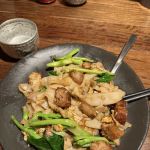 Chat Thai3.0 (40 reviews)
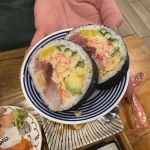 Shiba's Kitchen4.0 (525 reviews)
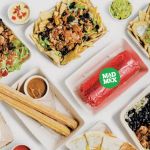 Mad Mex Sydney Central Plaza3.0 (420 reviews)
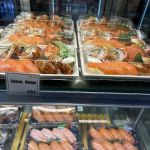 Yori Ozeki Myer Central Plaza4.0 (186 reviews)
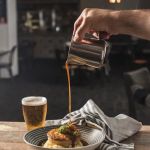 Zabou Bar & Grill4.0 (29 reviews)
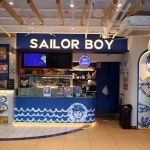 Sailor Boy4.0 (63 reviews)
 Where to Find the Best Coffee Roasters in Sydney for Fresh Beans
 What You Need to Know About Restaurant Hygiene and Safety in 2025
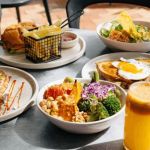 The Best Coffee-and-Meal Combo Spots in Australia
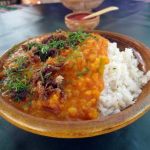 Where to Eat Authentic Bolivian Food in Australia for South American Cuisine
 How Australia’s Restaurant Goers Are Exploring New Cuisines More Than Ever
 How Australia’s Restaurant Industry Is Shifting Towards Speedy Casual Dining Experiences