

Restaurant Waitlists in Australia: When to Join or Leave
On this page
Quick answer
Join a restaurant waitlist when the estimated delay fits your schedule, the menu suits your group, and you understand how the restaurant will contact you. Leave when the estimate has no useful range, your group has time-sensitive needs, or a practical alternative is available. Treat every quoted wait as an estimate and set your own decision time before joining.
A restaurant waitlist is a queue for a table that is not yet available. It may be managed by a host, a written list, a pager or a digital service. It is not the same as a confirmed reservation, and your place can depend on party size, table type, arrival status and the restaurant's stated rules.
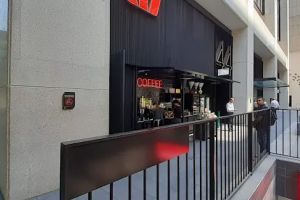
Coffee Shop
SydneyCouncil of the City of SydneyNew South Wales
44 Market St, Sydney NSW 2000, Australia
What a restaurant waitlist means
Restaurants use waitlists to match arriving parties with tables as they become free. The process is rarely a simple first-in, first-out line. A table for two may open before a table suitable for six, an accessible table may have different availability, and a booking that arrives late can change the order in which tables are assigned.
Before relying on a waitlist, ask how it works:
- Is the quoted time a range or a single estimate?
- Must every member of the group be present before seating?
- Will the restaurant call, text, use a pager or expect you to remain nearby?
- How long will it hold the table after contacting you?
- Can you request indoor, outdoor, bar or accessible seating, and could that change the wait?
- Does joining require a deposit, card hold or app account?
Policies can differ even between venues using the same booking platform. Use the restaurant's current instructions for that location and date.

Office Lobby Espresso Bar (Mid-city Centre)
SydneyCouncil of the City of SydneyNew South Wales
Ground, mid city centre, 420 George St, Sydney NSW 2000, Australia
Checks to make before joining
A short conversation at the host stand can prevent a long wait for a meal that never suited the group. Confirm the basics before giving your name or contact details.
- Review the menu. Check current food choices, dietary suitability, serving style and any applicable surcharge information.
- Confirm the kitchen timing. A table may become available close to the kitchen's final order time, so ask whether the full menu will still be offered.
- Count the complete party. Include children and anyone needing a high chair, wheelchair space or another seating arrangement.
- Set a latest seating time. Work from onward travel, childcare, medication, an event booking or the time you need to be home.
- Check nearby alternatives. One realistic fallback makes it easier to leave if the estimate changes.
If a food allergy is involved, discuss it before joining. A busy service or late seating does not reduce the need for clear allergy communication and safe preparation.
How to assess a wait estimate
A host usually estimates from current diners, bookings, party sizes and recent table turnover. The estimate can move in either direction because diners may finish early, stay longer, change party size or decline a table.
Use three questions to make the estimate more useful:
- What is the range? “About 30 minutes” may not mean a table will be ready at exactly the 30-minute mark.
- What affects my party? A larger group or specific seating request may have fewer suitable tables.
- When should I check back? Ask whether the restaurant sends updates or whether you should return at a particular point.
Do not pressure staff for a guarantee they cannot give. Instead, compare the upper end of the estimate with your personal latest seating time. If those times are too close, the wait is a poor fit even if the restaurant is appealing.
When to join, wait or leave
Join the waitlist when the meal is worth the delay, the upper estimate leaves enough time, and everyone accepts the uncertainty. This works best when you can wait comfortably nearby and have no fixed deadline immediately after dinner.
Continue waiting when updates remain broadly consistent, the restaurant can still serve the menu you want, and your fallback options have not become better. Set a check-in point rather than repeatedly asking staff for updates.
Choose another venue when:
- The updated estimate passes your latest acceptable seating time.
- The required table type or dietary option is no longer available.
- Children, older adults or anyone with health or mobility needs cannot wait comfortably.
- Weather or crowd conditions make the waiting area unsuitable.
- The kitchen may close before your group can order properly.
- A nearby alternative can seat the group with clearer timing.
Leaving is a reasonable planning decision, not a complaint. Tell the host so the restaurant can remove your party and contact the next eligible group.
What to do while you wait
Stay within the area allowed by the restaurant and keep the nominated phone audible. If you move to a nearby shop or public space, make sure you can return within the stated hold time without rushing or crossing unsafe routes.
- Keep the group together or agree on a clear meeting point.
- Use the time to review the menu and settle dietary questions.
- Do not block doorways, footpaths, ramps or service areas.
- Avoid starting a separate food or drink order that you cannot finish or pay for promptly.
- Tell the host if the party size changes.
- Cancel your place if you accept a table elsewhere.
If the estimate passes without an update, check in politely once. Ask for the revised range and decide again using your latest seating time. Time already spent waiting should not force you to keep waiting when the new estimate no longer works.
Digital waitlists and contact details
A digital queue may let you join remotely or track an estimate, but check that you are using the restaurant's official website, recognised booking channel or instructions displayed at the venue. Search listings and social profiles can be outdated.
Share only the information needed for the queue. Before entering payment details or creating an account, read the stated terms and confirm whether any deposit is refundable. Never send card numbers or identity documents through an informal text exchange.
Mobile reception, battery level and notification settings can affect digital alerts. Take a screenshot of your confirmation if permitted, keep the page open when instructed, and know how to contact the restaurant if an alert fails. Do not use your phone while driving.
Limitations and important notes
This guide provides general dining-planning information for Australia. It cannot predict a specific restaurant's queue, guarantee a table or replace the venue's current policy.
- Accessibility: Ask about seating, step-free access, toilets and a safe waiting location before joining if these affect your group.
- Weather: Outdoor waiting may become unsuitable during heat, rain, wind or poor air conditions. Choose shelter or another venue when needed.
- Minors and alcohol: Follow the venue's entry conditions and applicable identification requirements. A bar waiting area may not suit every group.
- Fees and holds: Confirm cancellation, no-show, deposit and card-hold terms before accepting them.
- Urgent needs: Do not remain in a queue when someone needs food, medication, rest or medical attention sooner.
Sources and evidence notes
The recommendations here reflect general queue management and dining practice: estimates change as capacity and customer behaviour change; party size affects table matching; early communication helps staff assess requirements; and a personal cutoff prevents an open-ended wait. Exact policies, fees, service times, accessibility arrangements and privacy practices must be verified with the individual restaurant and its official booking provider.
Frequently asked questions
Does a waitlist guarantee a restaurant table?
No. A waitlist records your interest and position under the restaurant's process, but table availability and eligibility can change. Ask what confirmation you will receive and when a table becomes genuinely reserved for your party.
Why was a group seated before mine?
The available table may have matched that group's size or seating needs. Reservations, accessibility requirements and completed-party rules can also affect seating order. Ask the host to explain the process without requesting details about other diners.
Should the whole group arrive before joining?
Check the restaurant's rule. Some venues add incomplete groups to the list but seat only once everyone is present; others may have different conditions. Give an accurate arrival estimate for missing diners.
Can I be on waitlists at two restaurants?
Policies may differ. If you do join more than one permissible list, cancel the unused place immediately after choosing a venue. Do not leave staff holding a table or repeatedly trying to contact you.
What should I do if I miss the restaurant's message?
Contact or return to the host as soon as it is safe. The table may have been released after the stated hold time, and you may need to rejoin. Ask about the current options rather than assuming your earlier place remains active.
Conclusion and next steps
A useful waitlist decision combines the restaurant's estimate with your own firm cutoff. Review the menu, confirm the queue rules, account for the full party and identify one fallback before joining. If the estimate later crosses your limit, notify the host and move on. That simple rule protects the evening from becoming an indefinite queue.

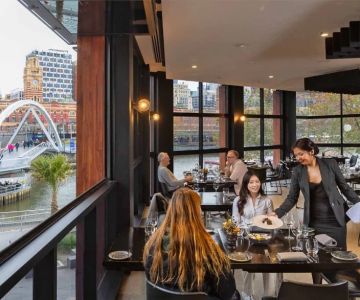

 Coffee Shop3.0 (19 reviews)
 Arches on Market4.0 (92 reviews)
 Gloria Jean's Sydney Central Plaza3.0 (183 reviews)
 Chat Thai3.0 (40 reviews)
 McDonald's Westfield Sydney3.0 (389 reviews)
 Gözleme King Sydney4.0 (206 reviews)
 Pre-Theatre Dining in Australia: A Timing Checklist
 The Best Café-Restaurant Hybrids in Australia for Relaxed Dining
 Where to Find the Best Seafood Platters in Sydney for Sharing
 Best Restaurants in Sydney for Authentic Local Food Experience
 How Restaurants Are Using Smart Robots and Automation in Kitchens Across Australia
 The Best Dessert-Only Restaurants in Australia That Go Beyond Cakes