
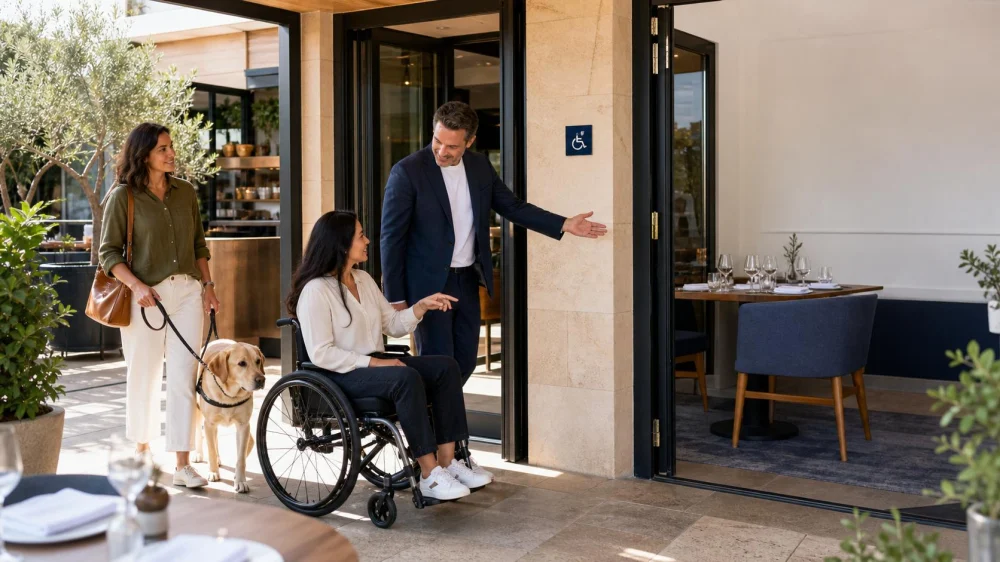
Sydney Restaurant Accessibility: Verify the Whole Visit
An “accessible” listing can describe one feature without confirming the whole dining journey. Contact the Sydney restaurant for the exact date and ask about arrival, parking or public transport, gradients, steps, doors, lifts, table access, seating, toilets, communication, lighting, noise, assistance dogs, and emergency procedures. Describe what you need rather than asking only for a yes-or-no label. Request a practical alternative where a barrier exists and reconfirm shortly before an important visit.
In this guide
Map the Complete Journey
Start at the footpath, station, taxi point, parking space, or building entrance and trace the route to the host, table, toilet, payment point, and exit. A step-free dining room is not useful if the only entry has stairs or the accessible toilet is in another locked tenancy.
Ask who controls each part. The restaurant may lease space inside a hotel, shopping centre, club, wharf, heritage building, or food hall. Building management may control lifts, accessible parking, after-hours doors, and toilets.

Dutch Smuggler coffee Qvb
SydneyCouncil of the City of SydneyNew South Wales
Queen Victoria Building, lower ground level 2 Shop 11/455 George St, Sydney NSW 2000, Australia
Check Arrival and Entrance
Confirm the exact entrance and whether the route is level, ramped, lifted, or uses a portable ramp. Ask about kerbs, gradients, surface gaps, door width, threshold, heavy doors, intercoms, and staff assistance. A photograph or video of the route may help when the restaurant can provide one.
For parking, verify space dimensions, clearance, lift connection, payment, operating hours, and whether a permit is required. For public transport or rideshare, use current official journey information and allow for construction or event closures.
Grill'd Burgers - Westfield Sydney
SydneyCouncil of the City of SydneyNew South Wales
Westfield, Level 6/188 Pitt St, Sydney NSW 2000, Australia
Verify the Internal Route
Ask about aisles, tight turns, split levels, buffet lines, bars, counters, and outdoor thresholds. Confirm that furniture can be arranged without blocking circulation or emergency exits. Identify where a mobility device can remain with the diner rather than being moved without consent.
If a lift is required, ask its operating hours, internal dimensions, door opening, reliability plan, and staff contact. A goods lift or staff-only route may not be an appropriate customer solution.
Confirm Table and Seating Details
Describe required knee clearance, table height, chair type, transfer space, stable armrests, back support, or room for equipment. High stools, fixed booths, communal benches, and closely set tables may not suit every diner. Ask the restaurant to reserve a specific suitable table and note it on the booking.
Confirm whether ordering and payment happen at the table, counter, or QR code. Request a printed or large-format menu, table service, or another reasonable communication method when needed.
Ask About the Toilet
Do not treat “toilets available” as confirmation of an accessible facility. Ask whether there is a designated accessible toilet on the same route, whether it is shared, locked, used for storage, or available for the full booking time.
Where relevant, ask about door direction, clear space, transfer side, rails, basin, adult change facility, and alarm. Staff should verify current condition rather than relying on old marketing details.
Plan Communication and Sensory Needs
Discuss hearing loops or other hearing support, quieter tables, lighting, glare, background music, menu format, captioned information, and staff communication. Peak-time noise can be very different from a weekday inspection.
For sensory needs, ask about less busy times, waiting location, sudden music, open-kitchen sound, fragrances, flashing lights, and an outdoor or quieter fallback. No venue can remove every stimulus, so identify the factors that matter most.
Discuss Assistance Dogs and Support People
Tell the restaurant about an assistance dog when useful for planning space and water, while recognising applicable Australian legal protections. The dog should remain under the handler's control and should not be treated as a pet booking.
Clarify seating for a support person, carer, interpreter, or companion and how any package, minimum spend, or ticketed event treats them. Legal and ticketing questions should be checked against current official guidance rather than assumed.
Record and Reconfirm the Plan
Ask staff to add clear booking notes: entrance, table, portable-ramp or lift arrangement, menu format, contact on arrival, toilet status, and agreed assistance. Save the name or role of the person who confirmed it.
Reconfirm near the visit because furniture layouts, lift status, construction, and staffing can change. On arrival, ask before anyone pushes a mobility device, moves equipment, or provides physical assistance. The diner should direct help.
- Complete arrival-to-exit route mapped
- Step-free entrance, door, gradient, and lift details checked
- Aisles and table clearance matched to needs
- Accessible toilet features and availability confirmed
- Menu, ordering, payment, hearing, and sensory needs noted
- Assistance dog and support-person arrangements understood
- Emergency exit or evacuation support discussed
- Booking notes saved and plan reconfirmed
Frequently Asked Questions
Does “wheelchair accessible” mean the toilet is accessible?
No. The label may refer only to an entrance or dining area. Ask separately about the complete route and toilet features.
Can a heritage restaurant still make adjustments?
Heritage and building constraints do not answer the question by themselves. Ask the venue about current access, reasonable alternatives, and applicable obligations.
Should I provide wheelchair dimensions?
Dimensions and turning needs can help staff verify a route, especially for lifts and narrow areas. Share only the practical details needed.
What if the lift fails on arrival?
Contact the restaurant and building operator, ask for the documented alternative, and do not use an unsafe staff route. Record the issue for follow-up.
Where can I check Australian access rights?
Use current guidance from the Australian Human Rights Commission, NSW agencies, and qualified advisers for the specific situation. This article is practical planning, not legal advice.
Accessible dining is the combined result of route, space, facilities, communication, service, and respectful assistance. Details and legal requirements change, so verify the current venue and use official Australian guidance when rights or compliance are in question.
 Ten Stories4.0 (11 reviews)
 QTea High Tea by QT Sydney4.0 (97 reviews)
 Joy Korean Fried Chicken4.0 (488 reviews)
 OZEKI BOWL Westfield4.0 (57 reviews)
 Percy4.0 (172 reviews)
 LAN GARDEN4.0 (19 reviews)
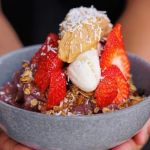 Where to Find the Best Acai Bowls Near Me in Sydney for Healthy Eating | Sydney Eats Explorer
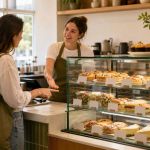 Australian Café Cabinet Food: Ask Before You Order
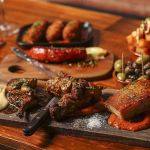 The Best Dining Spots in Australia for Authentic Spanish-Latin Flavours
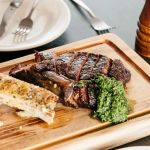 Top Restaurants in Australia for Premium Steak Dining
 How Australia’s Restaurant Industry Is Responding to Health & Wellness Dining Movements | Sydney Eats Explorer
 How Local Sourcing Is Changing the Game for Restaurants in Melbourne