
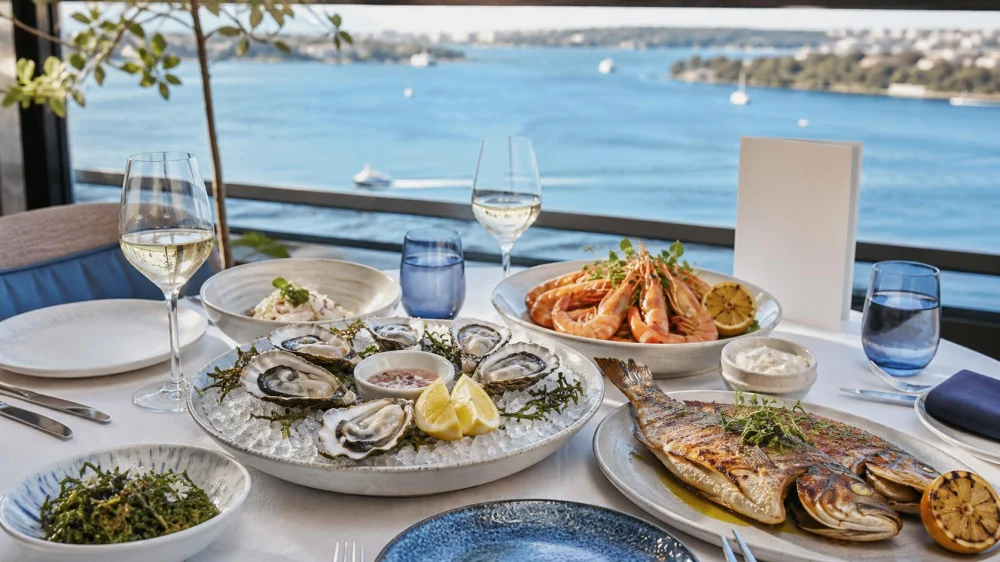
Sydney Seafood Menu: Check Origin, Portion, and Market Price
Table of contents
- Read the seafood description closely
- Ask about origin and species
- Confirm market price before ordering
- Understand portion and service style
- Choose a cooking method and sides
- Discuss allergies and cross-contact
- Consider raw or undercooked seafood carefully
- Raise a quality concern promptly
- Sydney seafood dining checklist
A Sydney seafood menu can feature local oysters, prawns, whole fish, crab, bugs, squid, and species sourced from other parts of Australia or overseas. The variety is part of the appeal, but menu language is not always enough to reveal the exact species, origin, portion, or final price. Daily catch and market-price dishes change with supply, so a quick conversation with staff can prevent surprises.
Ask clear questions before ordering, particularly when a dish is sold by weight or intended for sharing. Confirm whether the listed amount is per piece, per 100 grams, per kilogram, or for the whole plate. If origin, sustainability, allergies, or preparation matters to you, explain what you need and let the restaurant check rather than expecting a server to answer from memory.

McDonald's Darling Quarter
HaymarketCouncil of the City of SydneyNew South Wales
1 Harbour St, Haymarket NSW 2000, Australia
Read the seafood description closely
Start with the dish name, preparation, accompaniments, and pricing unit. “Market fish” may refer to one species today and another tomorrow. “Seafood platter” can mean chilled shellfish, cooked items, fried components, or a combination. A dozen oysters is straightforward, while a whole fish may be priced by weight and vary greatly in size.
Look for terms such as raw, cured, smoked, grilled, battered, steamed, or roasted. Sauces and garnishes can contain additional seafood, dairy, nuts, gluten-containing ingredients, alcohol, or other allergens. A simple-sounding grilled fish may still be finished with butter or cooked on shared equipment. If an ingredient affects your decision, ask before the order is sent to the kitchen.
Menu availability can change after printing. Weather, season, transport, and supplier conditions influence the catch. Accept a substitution only after hearing the replacement species, origin if available, preparation, and price. The kitchen should not be expected to provide an unavailable item merely because it appears on an older online menu.

Betty's Burgers
SydneyCouncil of the City of SydneyNew South Wales
Shop 4/44 Market St, Sydney NSW 2000, Australia
Ask about origin and species
Common names can cover different species, and diners may use the same name differently. Ask, “What fish is today’s market fish, and where was it sourced?” Staff may need to check a supplier label or ask the kitchen. A precise answer is especially useful if you are comparing flavour, texture, fishing method, or dietary guidance.
“Local” is a flexible marketing word unless the restaurant defines it. It might mean Sydney, New South Wales, Australian waters, or a nearby distributor. If geographic origin matters, request the actual region rather than relying on the label. Likewise, “fresh” can describe quality or handling without necessarily meaning never frozen. Properly frozen seafood can be high quality; ask the question that matches your concern.
For sustainability information, look for a named certification, fishery, farming method, or supplier. Claims can change as sourcing changes. Independent Australian seafood guides and current certification databases may offer context, but the restaurant still needs to identify the product being served. When staff cannot verify a claim, choose another dish if that information is essential to you.
Confirm market price before ordering
“Market price” means you should ask for today’s amount. Do not treat it as a minor detail or assume it will be similar to another restaurant. Request the price in Australian dollars and the unit. For a whole fish or crustacean sold by weight, ask for the approximate available weight and estimated total before approving it.
A useful question is: “What will this particular item cost before any sides or surcharge?” If the seafood is selected from a display, staff may weigh it first. Confirm whether the stated weight is before or after cooking and whether preparation is included. If there is a public holiday, weekend, card, or service surcharge, check the menu and booking terms and ask how it affects the total.
For shared platters, verify whether the price is fixed per platter or charged per person and whether a minimum number of diners applies. Optional upgrades—such as lobster, caviar, premium oysters, or an additional course—should be priced separately. Repeat the agreed quantity so one platter is not mistaken for one per guest.
Understand portion and service style
Seafood portions may be listed by count, weight, or intended number of diners. Ask how many oysters, prawns, pieces of fish, or shellfish are included. A whole fish contains bones and other inedible parts, so its listed weight does not equal edible fillet weight. Staff can usually suggest whether a particular fish suits one person or should be shared, but appetite and side dishes still matter.
Clarify whether shellfish arrives in the shell, cracked, peeled, or ready to eat. Whole crab and lobster can require tools and time. Ask whether the restaurant provides crackers, picks, finger bowls, and assistance. If dexterity is a concern, request an easier-to-handle preparation before ordering rather than trying to alter the dish at the table.
A cold platter may be served all at once, while a hot selection may arrive in stages to protect texture. For a mixed group, ask how dishes will be paced and whether non-seafood meals will arrive at the same time. This matters when one diner is not sharing the platter.
Choose a cooking method and sides
Different species suit different treatments. Ask how the kitchen recommends preparing the day’s fish and what texture to expect. Grilling, steaming, roasting, frying, and cooking over coals can each affect moisture, smoke, and crust. A whole fish may take longer than fillets, so confirm timing if you have a theatre booking or transport deadline.
Check what comes with the dish. A market fish price may include only fish and sauce, with vegetables, chips, salad, or bread ordered separately. Shared sides can change the appropriate seafood quantity. Ask whether sauces are served on the side if you want to control richness or protect a crisp coating.
For takeaway, ask which seafood travels well. Fried foods soften in closed containers, raw items need strict temperature control, and shellfish can be awkward in transit. Go directly to the destination and follow current food-safety guidance for time and temperature.
Discuss allergies and cross-contact
Fish, crustaceans, and molluscs are distinct allergen groups, and a person may react to one or several. Tell the restaurant the exact allergy rather than saying only “seafood allergy.” Ask about stocks, sauces, garnishes, fryers, grills, utensils, preparation surfaces, and airborne or handling exposure where relevant. Shared seafood kitchens may not be able to prevent cross-contact.
Call before booking when the allergy is serious, then repeat the conversation on arrival and when ordering. Online notes and booking fields can help alert staff but should not replace direct confirmation. The restaurant can explain its process; the diner must decide whether that process meets their needs.
Follow the person’s medical plan and carry prescribed emergency medication. Dining advice cannot replace guidance from a qualified health professional. If symptoms of a severe allergic reaction occur, use prescribed medication as directed and seek emergency help immediately.
Consider raw or undercooked seafood carefully
Oysters, sashimi, ceviche, and lightly cooked seafood may carry greater foodborne illness risk than thoroughly cooked food. Acid curing does not necessarily provide the same risk reduction as cooking. Risk can be higher for pregnant people, older adults, young children, and people with weakened immune systems or certain health conditions.
Consult current Australian health guidance or a qualified clinician for individual advice. If you prefer thoroughly cooked seafood, state that clearly and ask which menu items fit. Do not assume that smoked, cured, or seared means cooked throughout.
Raise a quality concern promptly
If seafood seems at an unexpected temperature, has a damaged shell, appears undercooked relative to your request, or does not match the described species or portion, pause and tell staff before eating more. Explain the observable issue without trying to diagnose its cause. Keep the dish available for the manager or kitchen to inspect.
Allow the restaurant to clarify the preparation or offer a remedy. If illness symptoms develop, seek appropriate medical advice and retain the receipt and relevant details. For a serious food-safety concern, follow the current reporting process of the relevant New South Wales authority or local council.
Sydney seafood dining checklist
Before booking, review the current menu, accessibility, transport, outdoor-weather plan, and allergy capability. At the table, confirm the species, source when important, market-price unit, approximate total, portion, preparation, sides, and surcharges. For shared dishes, agree on quantity and pacing.
A good seafood meal begins with specific information. Asking what the item is, where it came from, how much is served, and what it costs lets the kitchen describe its daily offering accurately—and lets you choose with confidence.



 Koko Black - Lower Ground QVB4.0 (17 reviews)
 SWEET CREMA CAFE5.0 (20 reviews)
 ArtHouse Hotel3.0 (1210 reviews)
 Soul Origin3.0 (100 reviews)
 Nanashi & Amahouse4.0 (58 reviews)
 Samosorn Thai Sydney4.0 (182 reviews)
 “Where to Find the Best Vegan Desserts in Melbourne | Sydney Eats Explorer”
 The Best Dining Spots in Australia for Craft and Specialty Coffee With Full Meals
 How to Choose a Restaurant for Food Allergy Needs
 Australian Restaurant Tipping: Read the Bill, Choose Wisely
 How Restaurants Are Using Dynamic Pricing to Match Demand and Supply in Australia
 Best Restaurants in Sydney for Seasonal Menus and Local Ingredients